CAPTRS
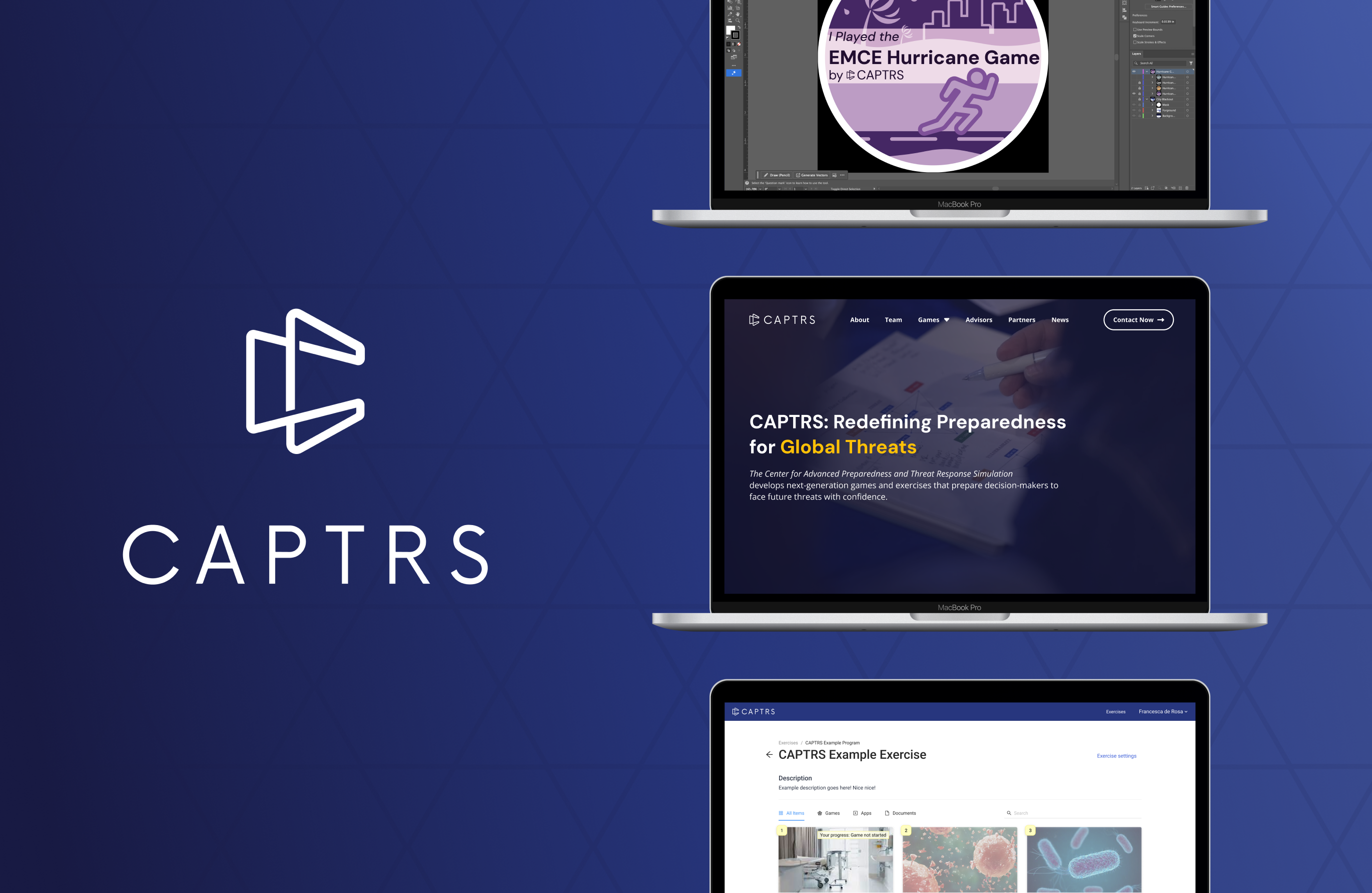
After graduating in May 2025, I joined CAPTRS as a contract UX Designer, supporting a mix of digital and analog projects. CAPTRS creates game-based simulations to help organizations navigate real-world challenges like crisis response and strategic planning.
I was brought on to help unify their design language and improve how their brand and user experience translated across mediums.
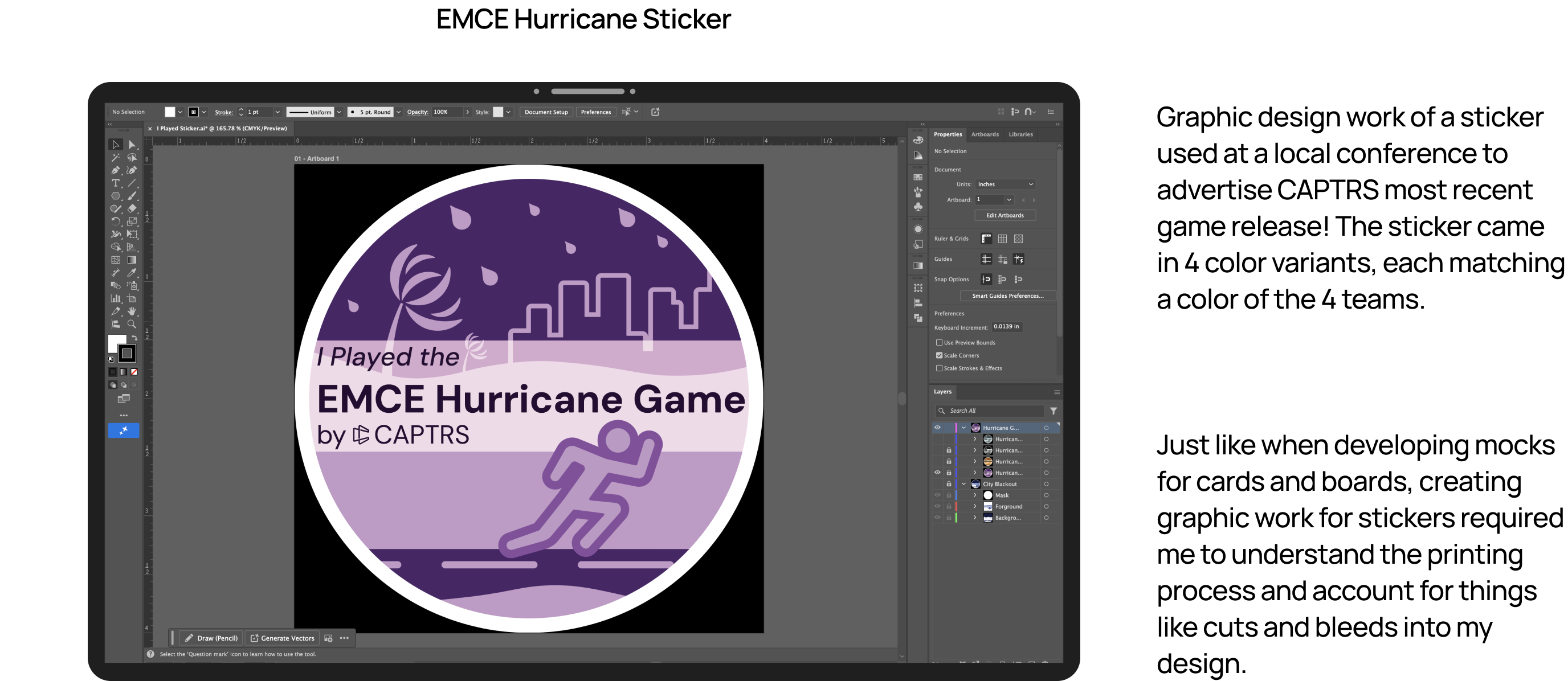
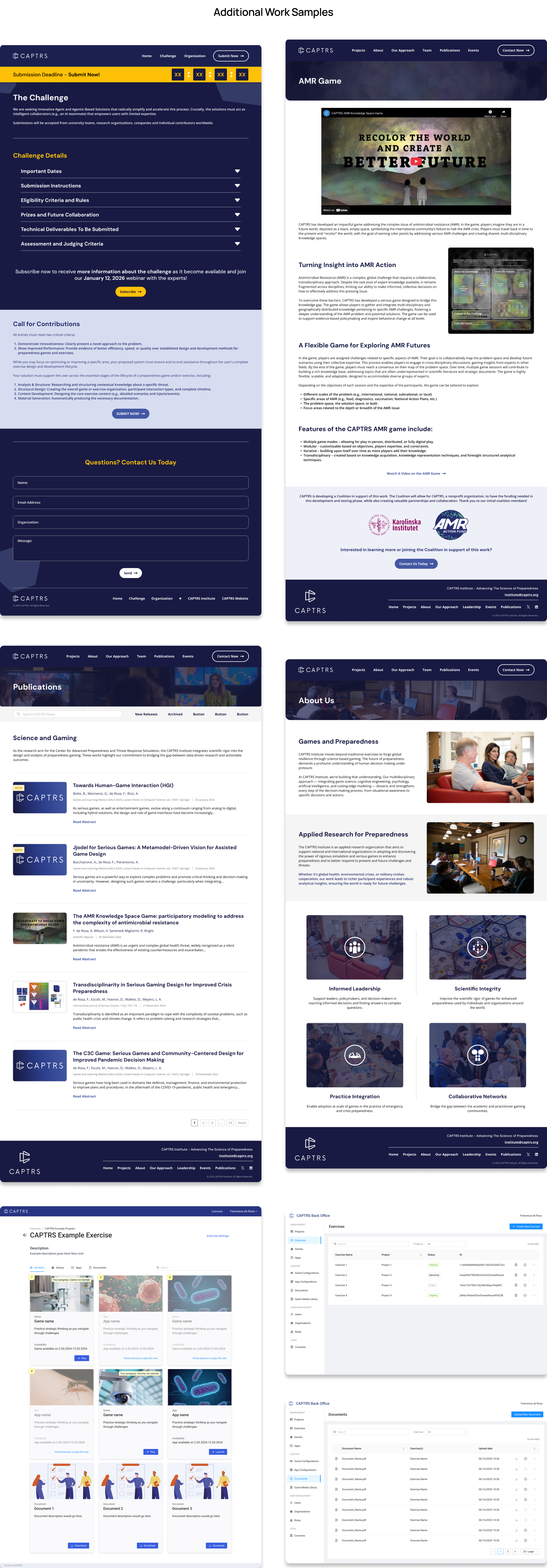
I worked across web design, UI systems, board games, and marketing materials, ensuring a cohesive and scalable design approach.
• Designed in Figma, Photoshop, Illustrator
• Collaborated with a fully remote global team
• Maintained clear documentation, communication, and timelines
When I joined, design work was handled by a single designer, leading to:
• Repeated manual recreation of components
• Inconsistent layouts and styles
• No shared design system or reusable assets
This created inefficiencies and limited scalability as project demand increased.
I introduced structure and scalability by:
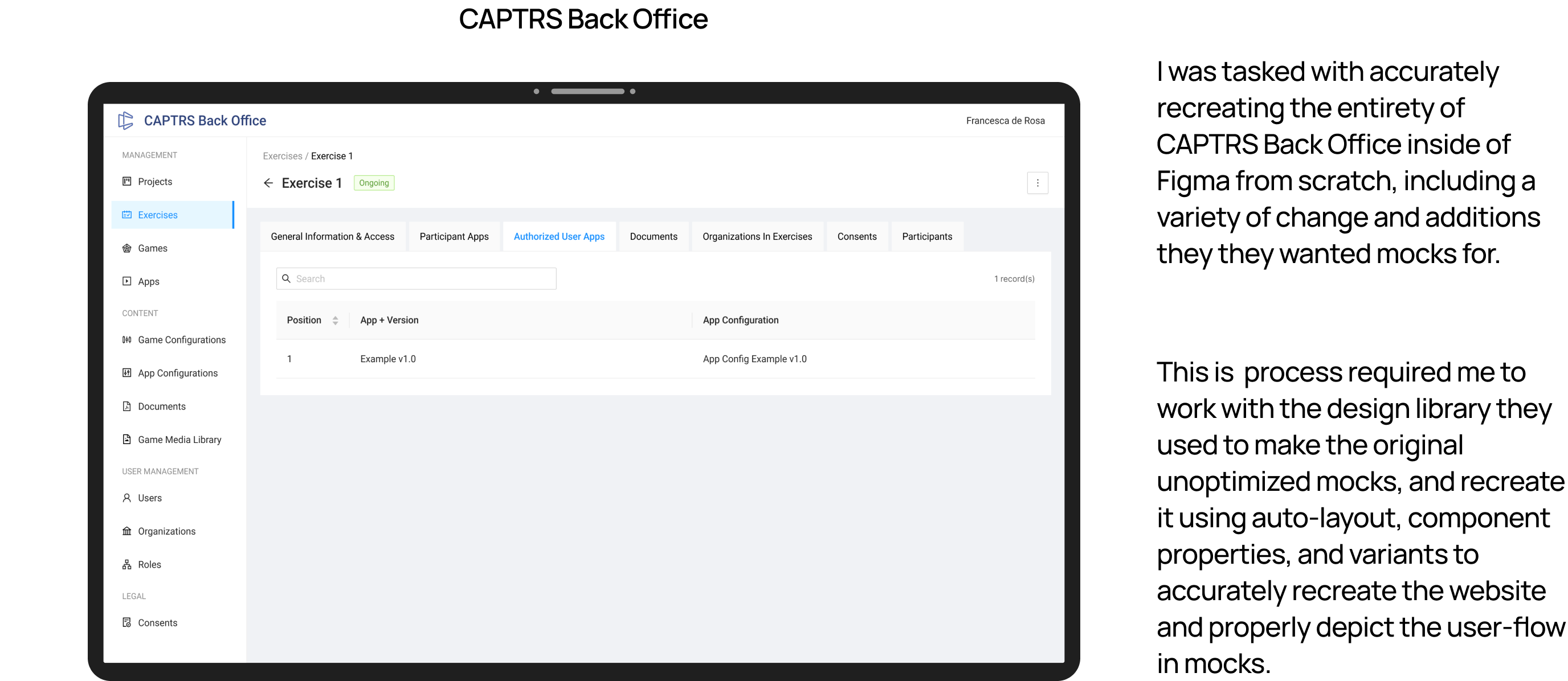
• Building a Figma component library for reusable design elements
• Expanding a flexible brand style guide across digital and print
• Applying enterprise-level design practices learned from Caterpillar Inc.
This established a foundation for consistent, efficient, and future-ready design work.
Working in a small, remote team meant owning end-to-end design:
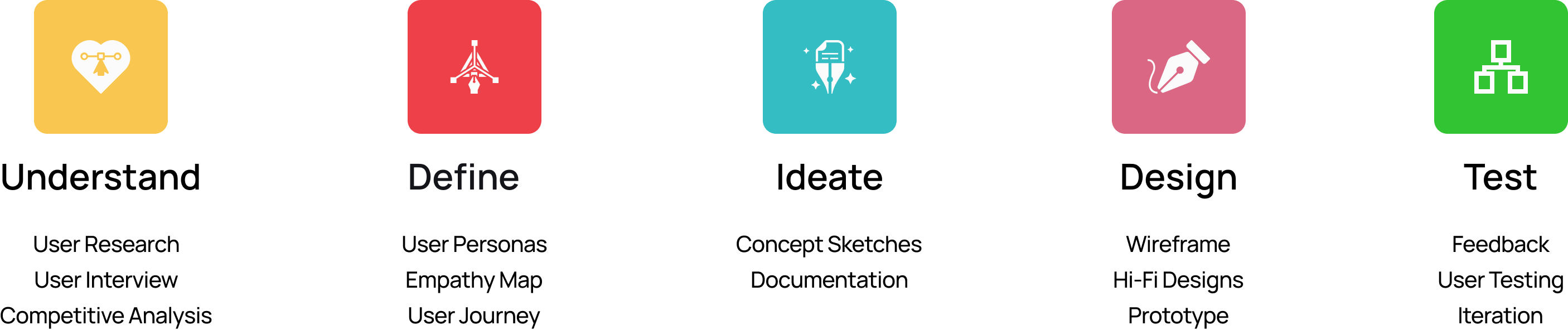
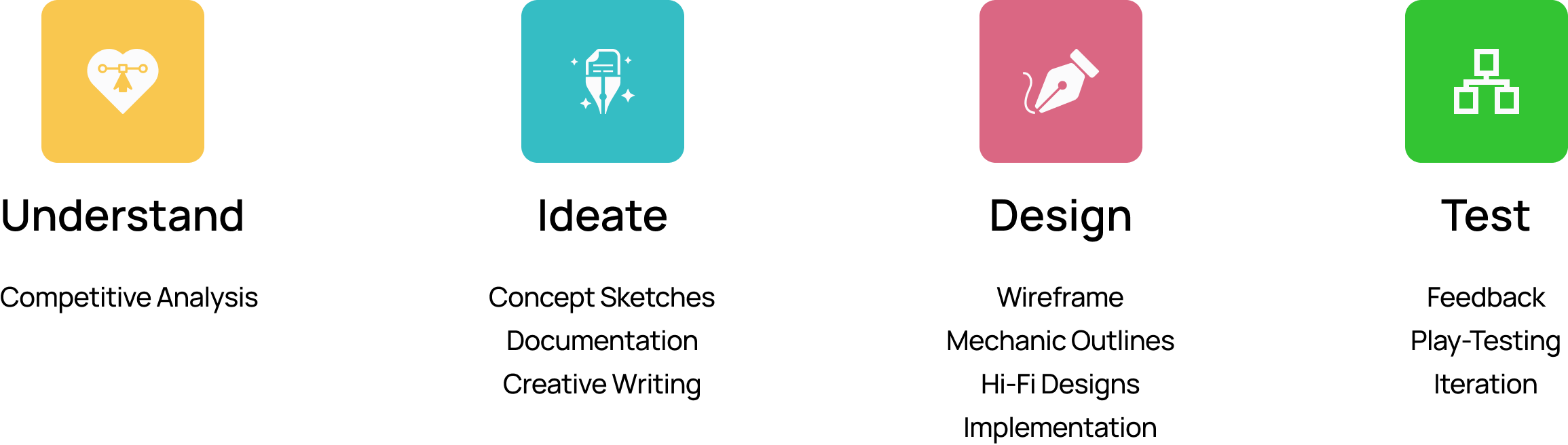
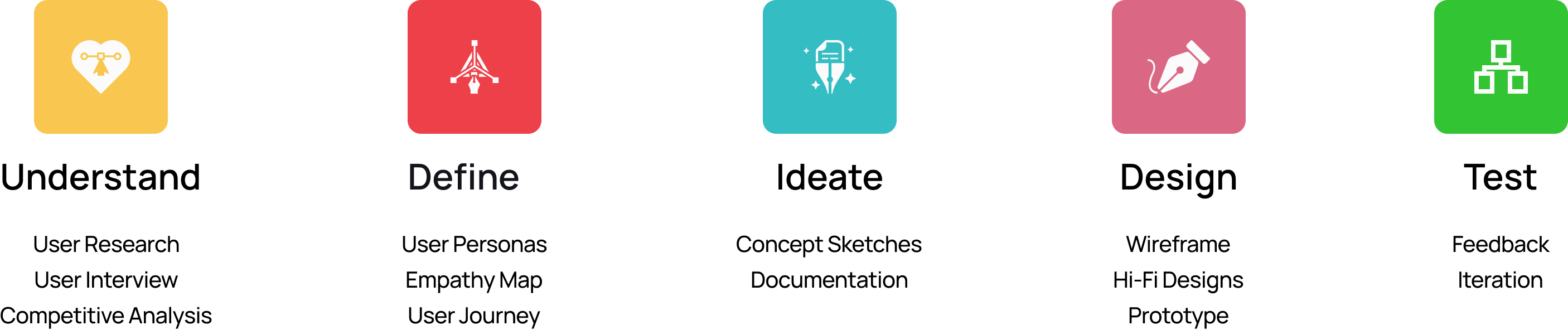
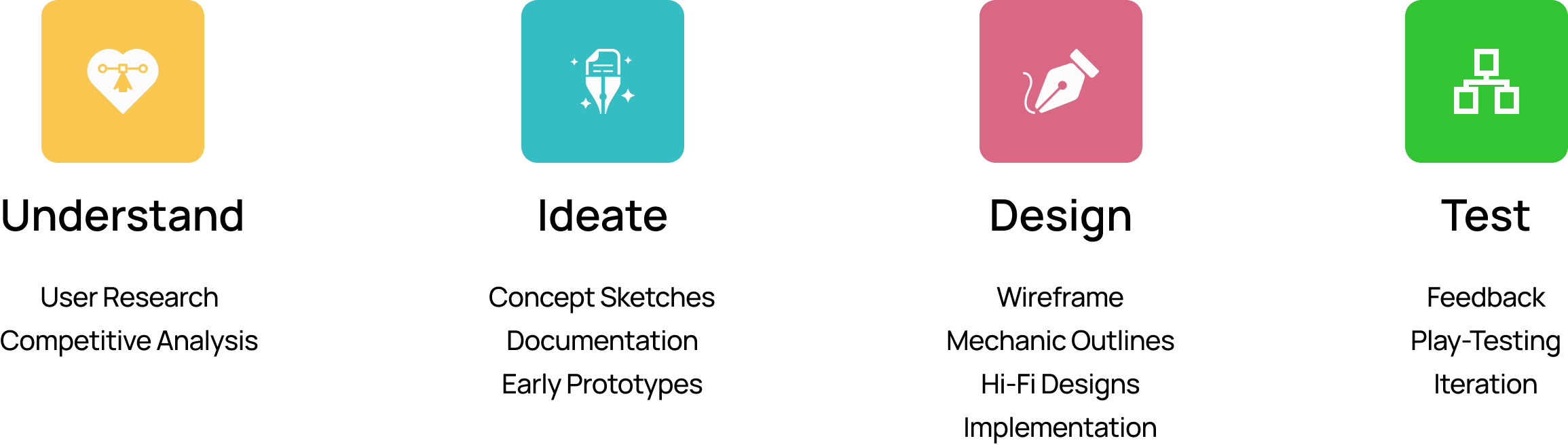
1. Research first
Understand goals, audience, and use cases before designing
2. System-driven design
Use and expand the component library for consistency and speed
3. Iterate quickly
Move from sketches → wireframes → high-fidelity mocks
4. Communicate constantly
Share progress, decisions, and blockers across time zones
This approach ensured every design decision was intentional and scalable.

Focused on balancing clarity and engagement:
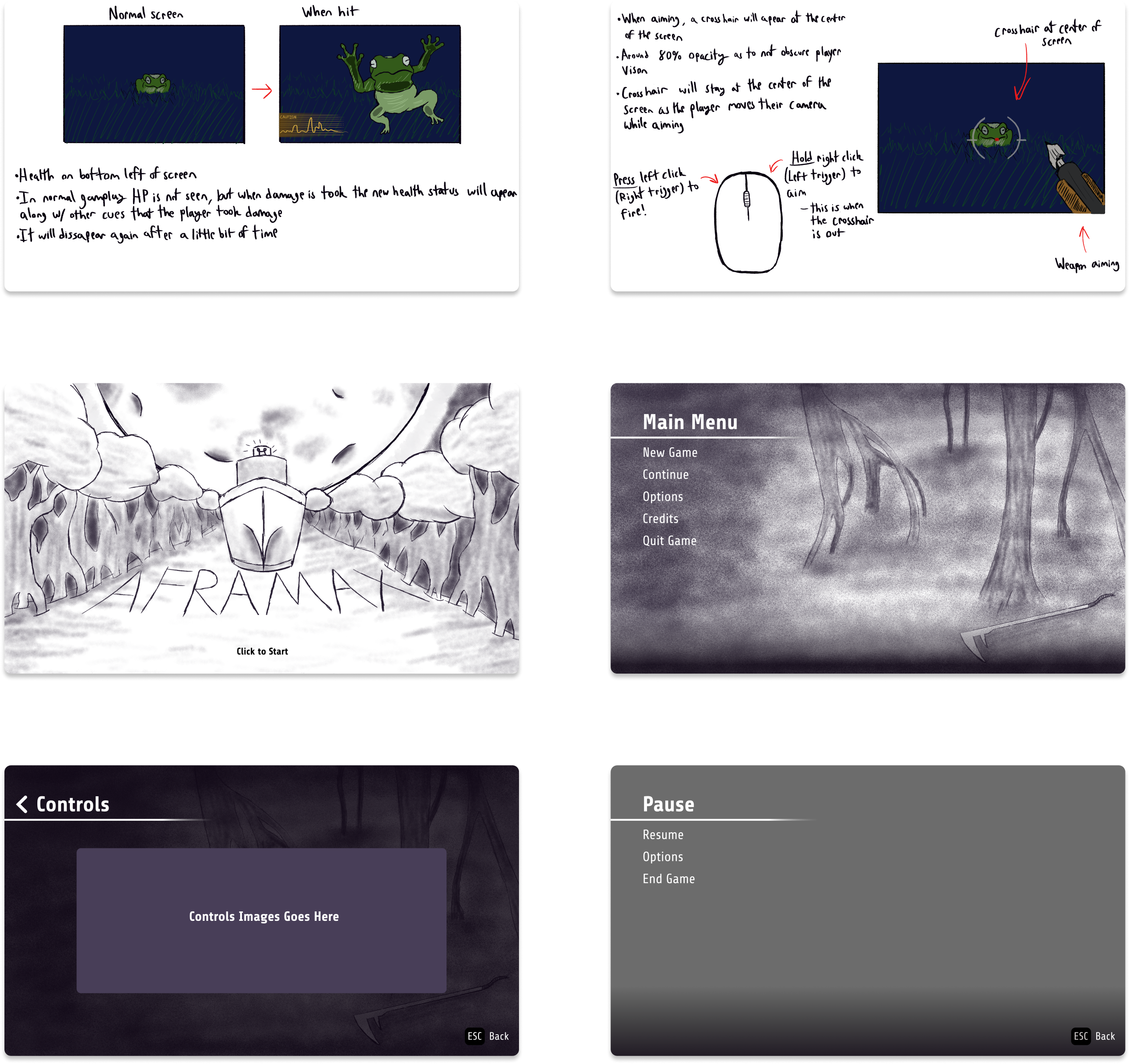
• Quick sketches and wireframes
• Exploration of layout, hierarchy, and flow
• Translating CAPTRS’s analytical + game-based identity into visual design

With a clear direction in place, I refined designs through focused feedback and rapid iteration:
• Shared work early to gather quick, actionable feedback from team members
• Adjusted layout, hierarchy, spacing, and navigation flows before high-fidelity
• Aligned designs with real use cases and stakeholder needs, not just visuals
• Leveraged the component library to iterate quickly while maintaining consistency
This stage ensured designs were validated, cohesive, and scalable before moving into final execution.

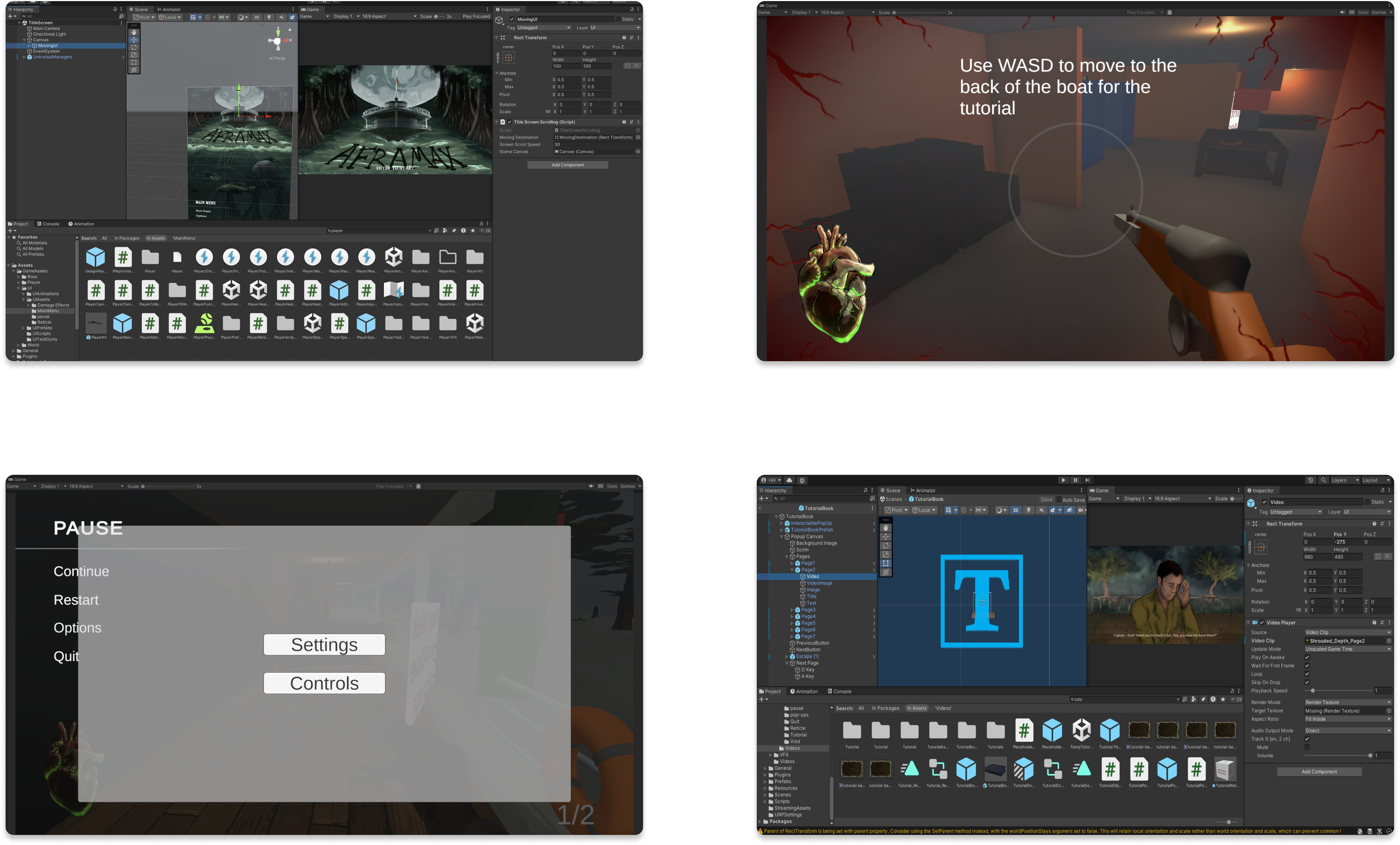
Using the component library, I created polished, scalable designs that:
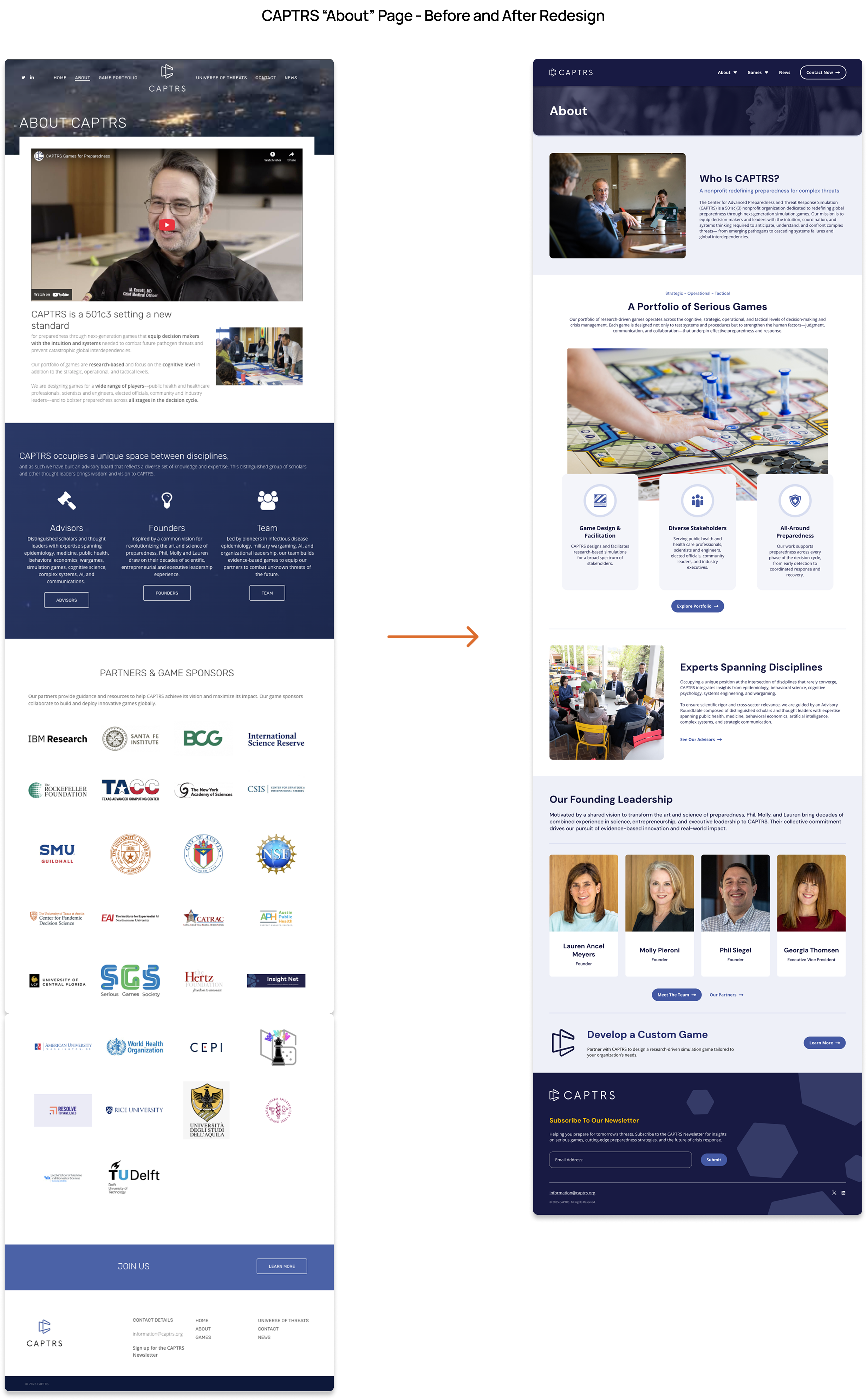
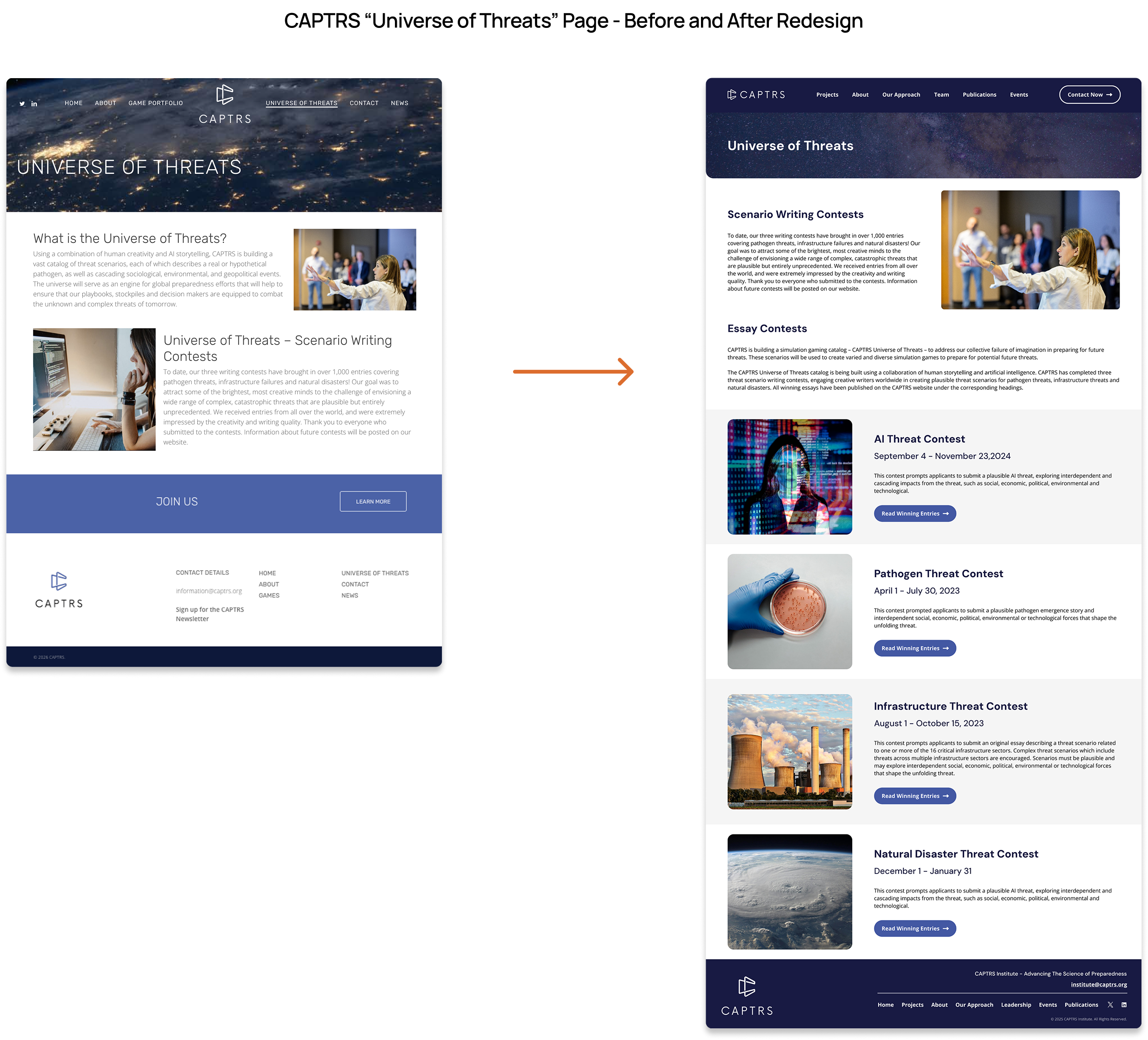
• Modernized CAPTRS’s digital presence
• Improved navigation and usability
• Balanced credibility with creativity
The result was a cohesive visual system that works across both digital and analog experiences.


My work had both process and product impact:
• Built a 200+ component library, reducing repetitive work by ~10x
• Established a consistent, flexible design system
• Improved cross-team collaboration and efficiency
Most notably, this work contributed to the launch of the new CAPTRS website: captrs.org
Measured Results (monthly averages):
• +84% active users (536 → 984)
• +59% engagement time (49s → 1m 18s)
• 2x+ increase in events (4,328 → 9,124)
While not a perfect comparison, the data strongly indicates a more engaging and effective user experience.
Beyond deliverables, I helped position design as a strategic function within CAPTRS, supporting communication, organization, and storytelling.
This role was my first opportunity to apply my skills in a real-world, post-graduation environment, and it pushed me to grow quickly.
• Learned to own projects end-to-end in a remote setting
• Strengthened systems thinking through design systems
• Balanced creativity with structure and scalability
Most importantly, I saw how thoughtful design can elevate an entire organization, not just individual projects.