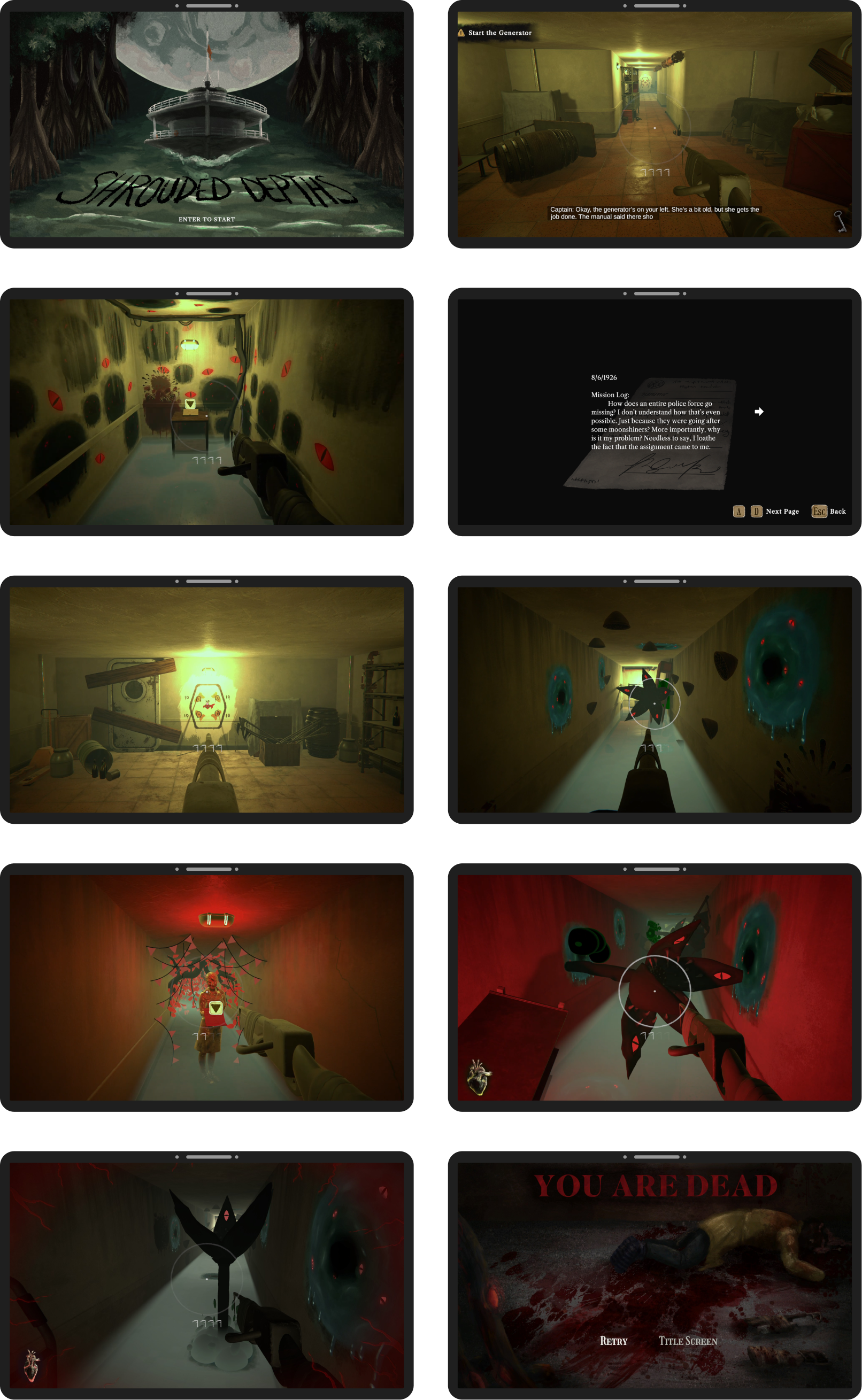
Sanctuary VR

Solo design phase project for a VR meditation app developed for the Apple Vision Pro. Created high-fidelity mockups focused on enhancing user's mental health by immersing them in tranquil environments and immersive calming sounds.
Project
Virtual Reality App Concept
role(s)
UX Designer
 / 
UX Researcher
 / 
Client
Bradley University
Timeline
Nov 2023 - Dec 2023
Play Now on itch.io
Project Overview

In late 2023, I was tasked with creating a high-fidelity application concept built around the Apple Vision Pro and its spatial computing capabilities. Given full creative freedom, I designed Sanctuary VR, a meditation and relaxation experience focused on helping users disconnect from stress through immersive environments, calming audio, and personalized mindfulness tools.

The project explored how VR technology could be used not just for productivity or entertainment, but as a tool for mental wellness and emotional comfort.

ROLE

As the sole designer on the project, I was responsible for the full UX process, including:

• Conducting user research and competitive analysis

• Researching the Apple Vision Pro design system and interaction patterns

• Creating user flows, wireframes, and interaction concepts

• Designing high-fidelity UI mockups in Figma

• Conducting user interviews and usability testing to refine the experience

Problem statement

Designing for VR introduced a completely different set of UX constraints compared to traditional screen-based products. Because users interact spatially, comfort, readability, and cognitive load became critical considerations throughout the project.

Some of the primary challenges included:

• Designing interfaces that felt immersive without becoming overwhelming

• Creating intuitive interactions within a 3D environment

• Balancing minimalism with accessibility and customization features

• Designing around emotional goals like relaxation and comfort, rather than productivity

Additionally, because the Apple Vision Pro was still unreleased at the time, much of the project involved interpreting early design guidance and imagining how users might realistically engage with spatial interfaces in daily life.

GOAL

My goal was to create an experience that felt calming from the very first interaction. Every design decision was guided by the idea that the interface should support relaxation rather than compete for attention.

To achieve this, I focused on:

• Minimal, low-distraction navigation

• Soft visual hierarchy and spacious layouts

• Accessibility-focused customization options

• Immersive environmental design and spatial audio

• Creating interactions that felt natural within VR spaces

I also explored how environmental scanning could emotionally connect users to familiar spaces, allowing Sanctuary VR to feel more personal and comforting rather than just another meditation app.

The final concept blended immersive technology with user-centered mindfulness design, creating an experience focused on comfort, clarity, and emotional balance.

Target Audience
DESIGN PROCESS

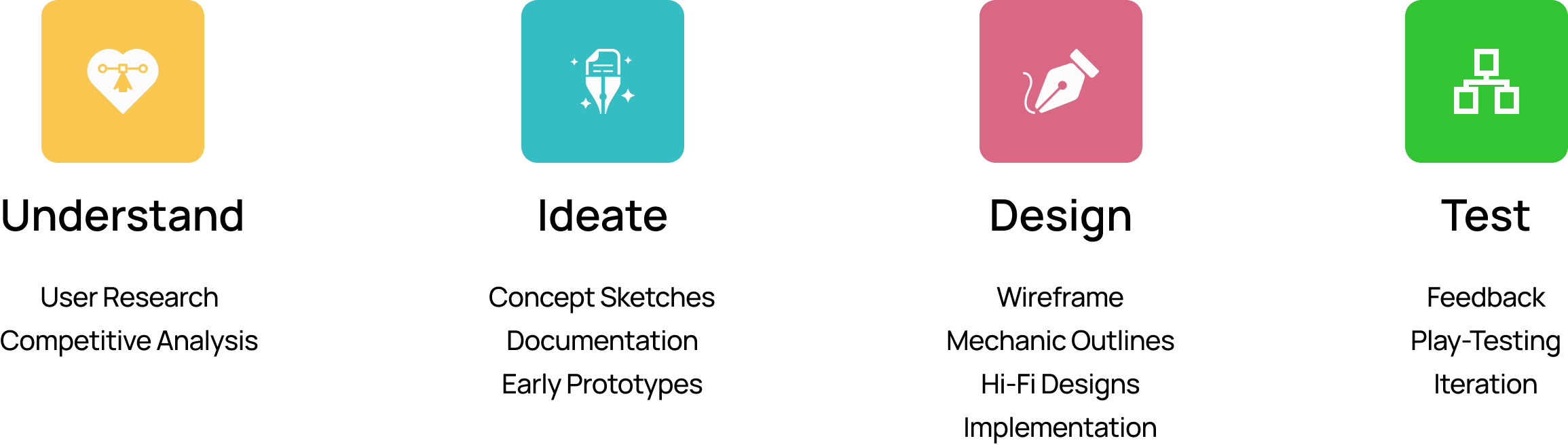
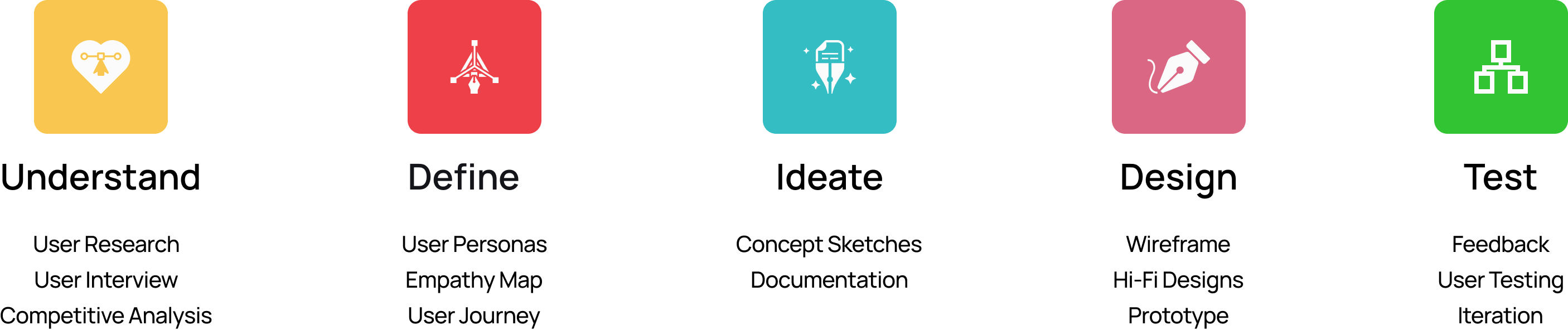
The design process centered around understanding how people seek comfort and relaxation through technology. I began with research into meditation apps, VR wellness experiences, and spatial interface patterns to better understand both user expectations and the opportunities presented by VR.

From there, I conducted user interviews and gathered feedback on:

• Relaxation habits and stress triggers

• Preferred environments and calming experiences

• Accessibility concerns like motion sickness and overstimulation

• Expectations for navigation and usability in VR

Using these insights, I moved into rapid ideation, wireframing, and iterative prototyping before developing polished high-fidelity mockups in Figma. Throughout the process, I continuously refined the interface to ensure it remained intuitive, calming, and visually cohesive.

Early Design

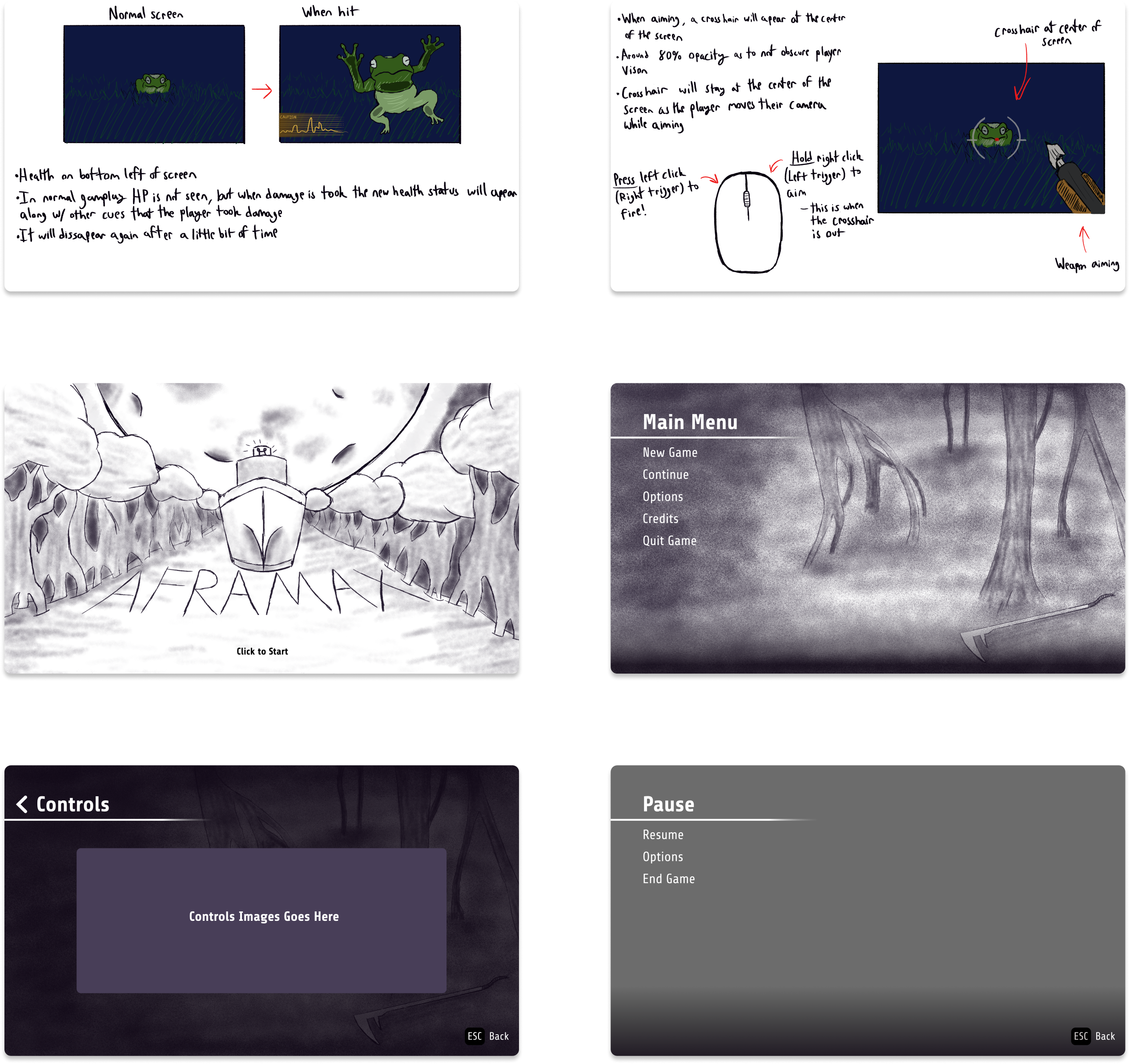
Early exploration focused on understanding how traditional UI patterns could translate into a spatial environment. I began with quick sketches and low-fidelity wireframes, experimenting with layout positioning, interaction systems, and how users would navigate menus within VR spaces.

Because emotional comfort was central to the experience, I paid close attention to visual pacing, readability, and environmental balance. I wanted the interface to feel subtle and supportive without disrupting immersion.

I also explored concepts around environmental scanning and personalized spaces, helping establish the minimalist visual direction and calming interaction philosophy that guided the rest of the project.

Iteration

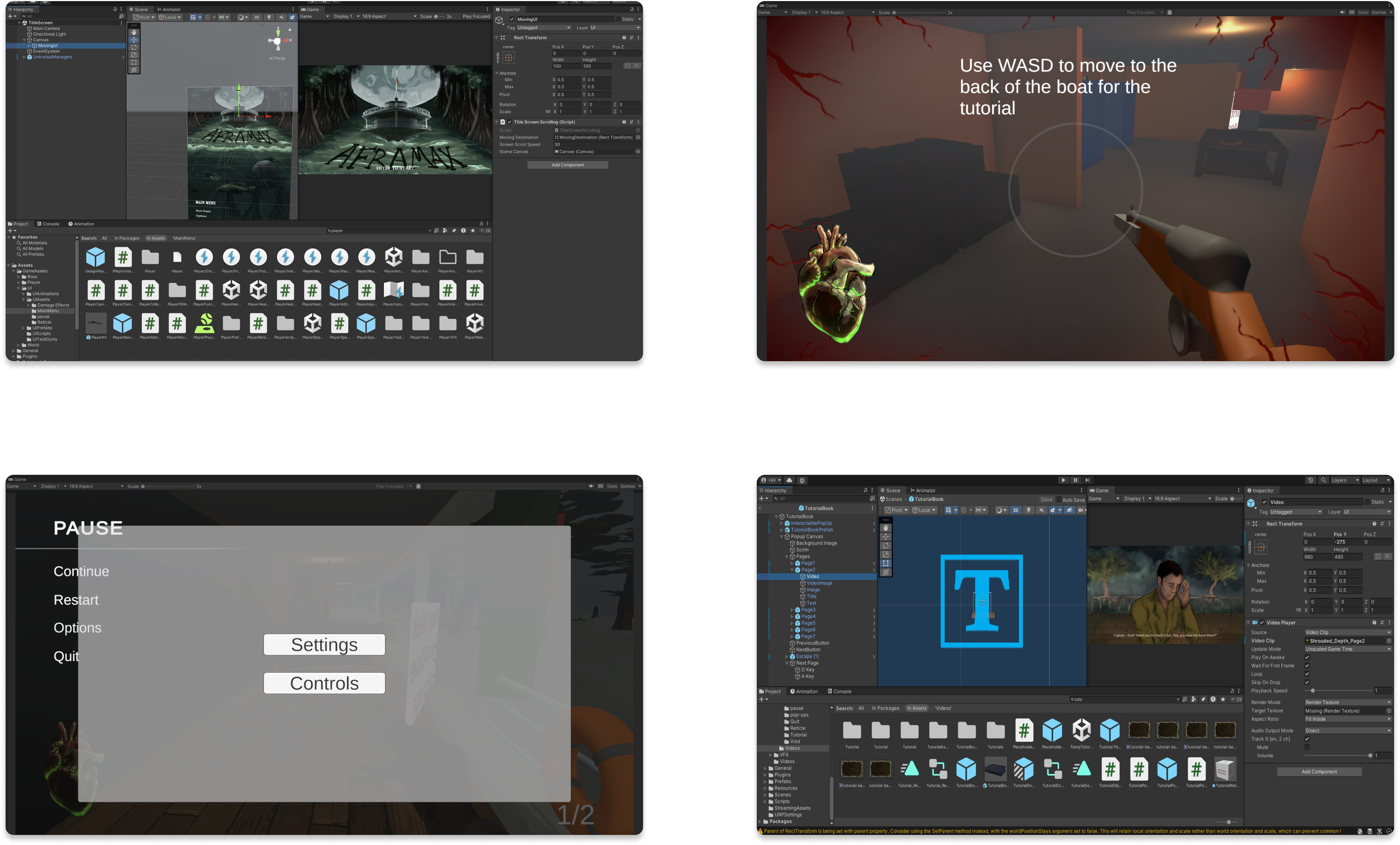
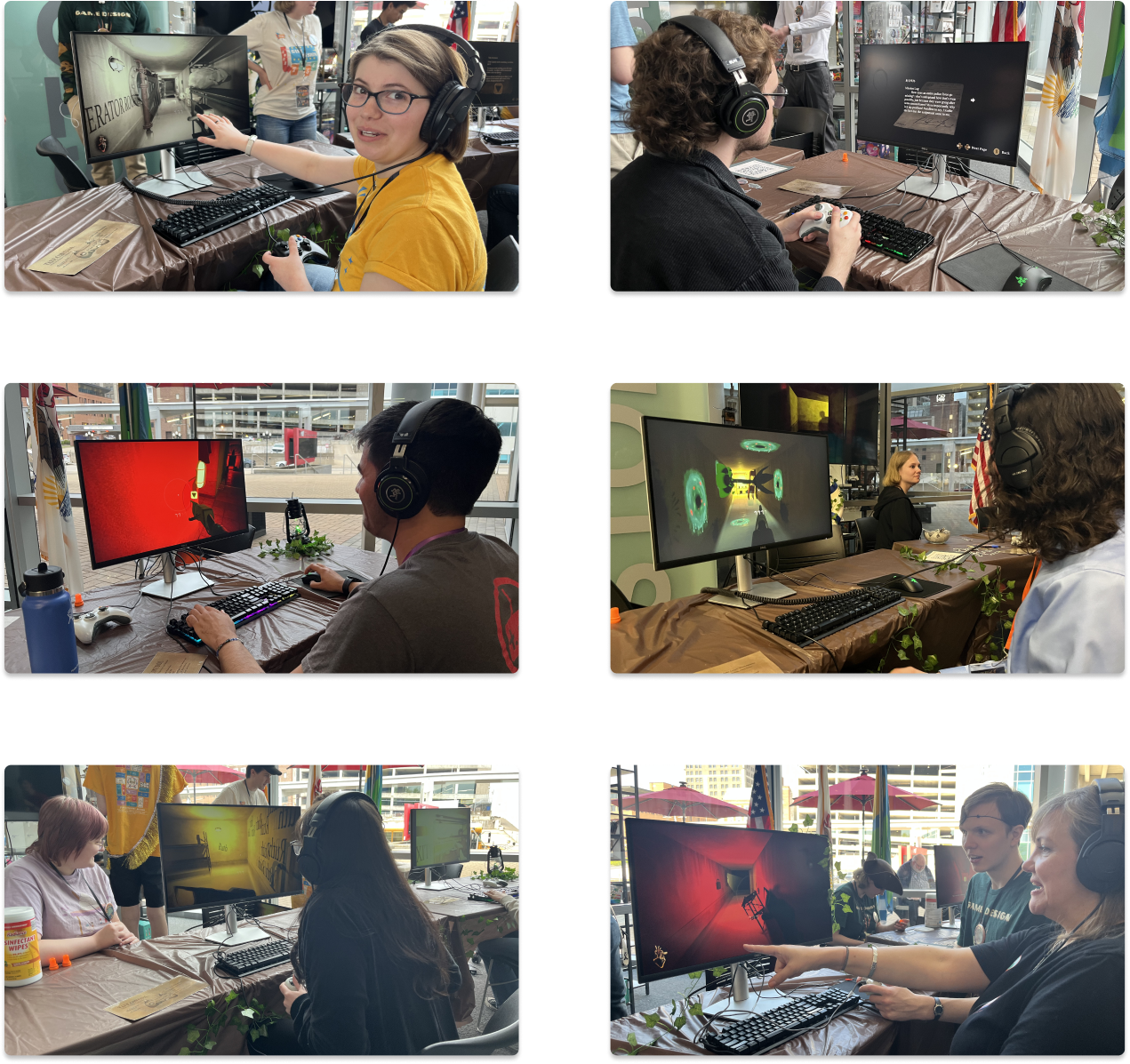
As the project developed, I conducted additional testing and refined the experience based on feedback. Iteration focused heavily on reducing friction and ensuring the interface supported relaxation rather than distraction.

This process included:

• Refining navigation flows and hierarchy

• Simplifying menus and interactions

• Improving accessibility and customization options

• Adjusting spacing and visual pacing for readability in VR

• Refining environmental and audio controls for a more immersive experience

With each iteration, the concept became more cohesive, balancing immersive visuals with usability and accessibility.

Concept vs final

As the designs were iterated on and developed, the interface was refined to take advantage of the Apple Vision Pro's technology and to expand upon the app's mechanics.

High Fidelity Mockups

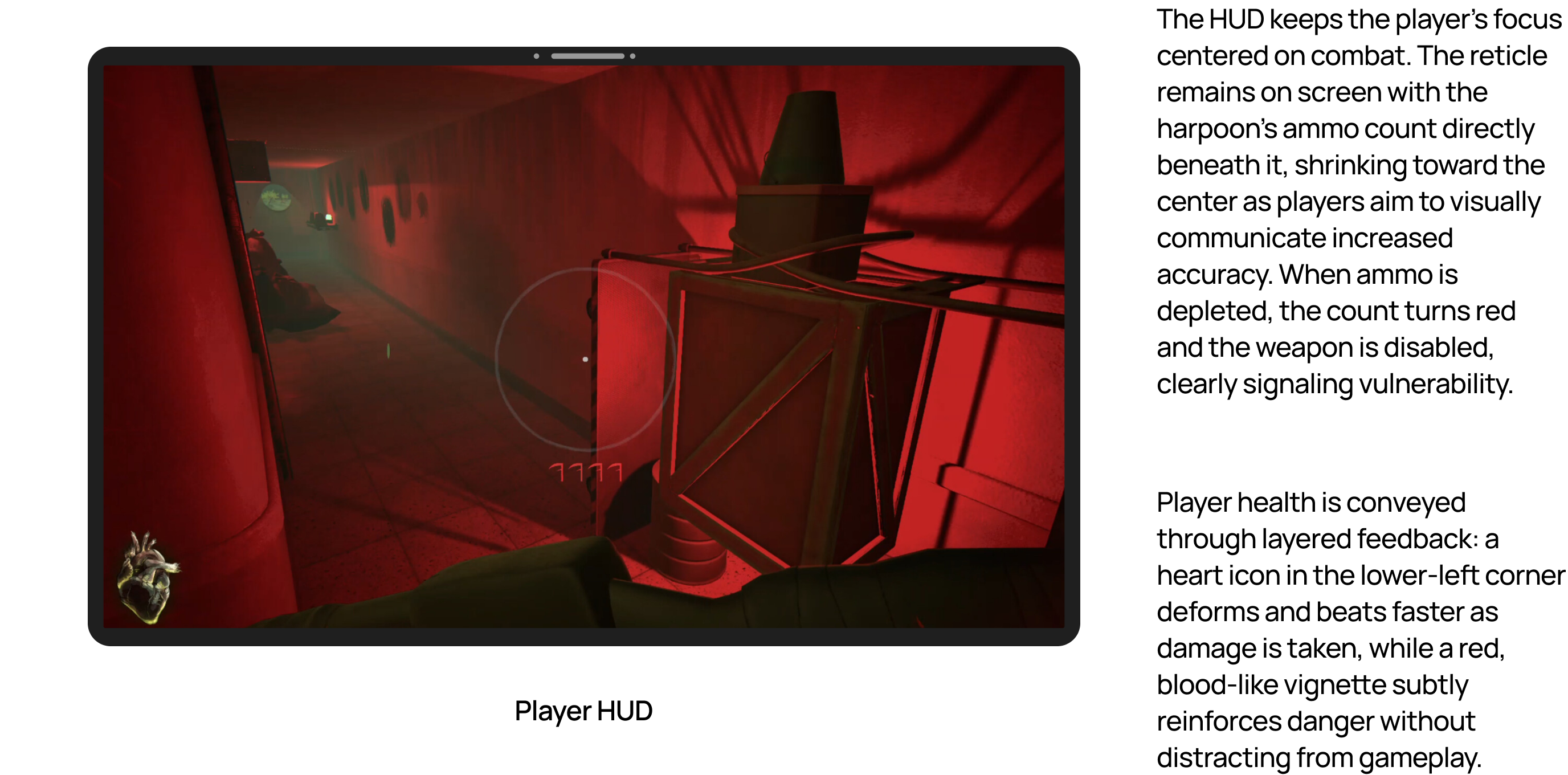
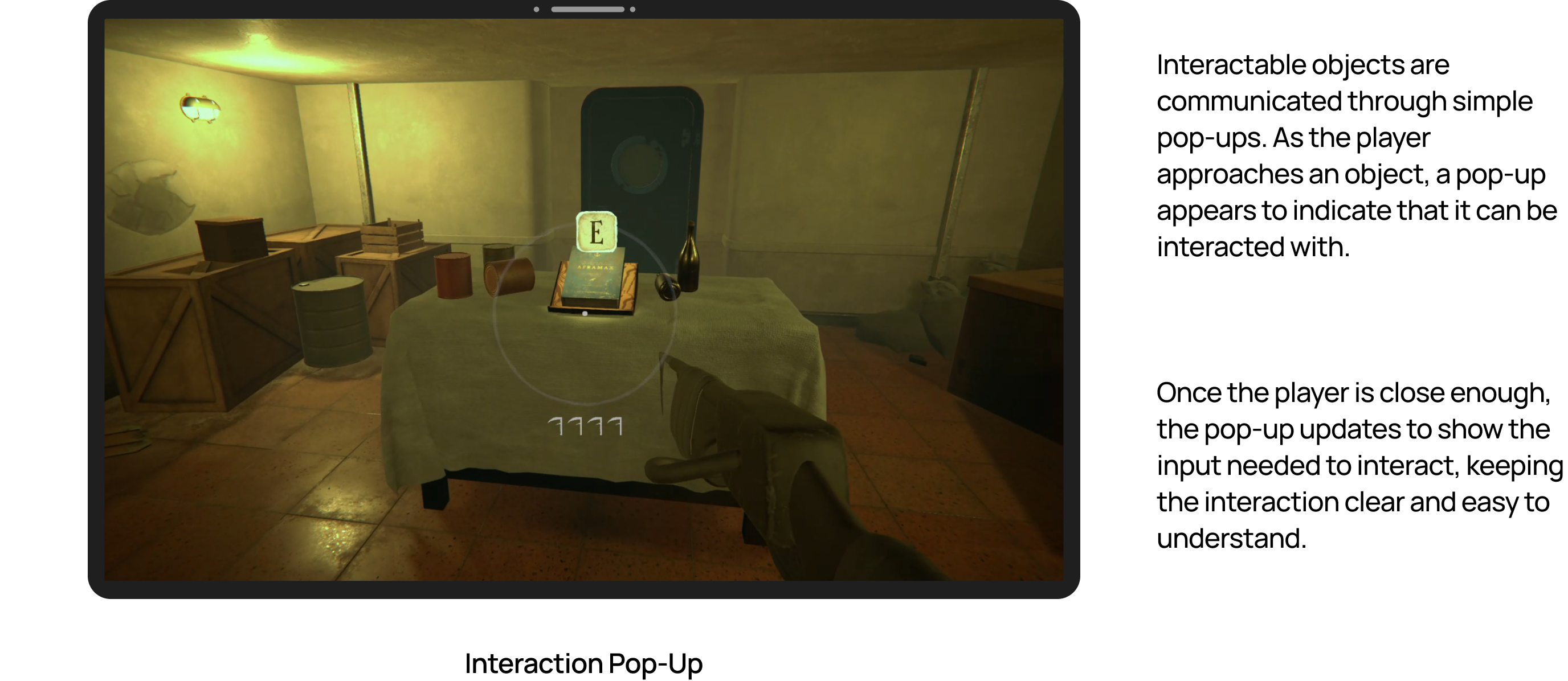
After several rounds of refinement, the project evolved into a polished high-fidelity concept showcasing how VR technology could support mindfulness and emotional wellness.

The final mockups highlighted:

• Immersive environments and calming visual design

• Accessibility and comfort-focused settings

• Personalized relaxation experiences

• Minimal, intuitive navigation systems

• Spatial UI concepts designed specifically for VR interaction

Together, these elements created a concept focused on making immersive technology feel approachable, calming, and human-centered.

IMPACT

Although Sanctuary VR remained a conceptual project, it successfully demonstrated how spatial computing technology could support mental wellness and accessibility-focused design.

The project strengthened my understanding of:

• Designing beyond traditional 2D interfaces

• Research-driven UX for emerging technologies

• Building experiences around emotional goals and user psychology

• Balancing immersion, usability, and accessibility within VR

More importantly, it challenged me to think about technology not just as a productivity tool, but as something that can meaningfully support people’s emotional well-being.

key Takeaways

Sanctuary VR pushed me to think differently about interaction design, accessibility, and emotional experience within emerging technology spaces.

The project reinforced the importance of research-driven UX, especially when designing for technology that users may not yet fully understand or feel comfortable using. It also deepened my appreciation for how thoughtful design can create experiences that feel not only functional, but genuinely comforting and human-centered.

Sanctuary VR

Solo design phase project for a VR meditation app developed for the Apple Vision Pro. Created high-fidelity mockups focused on enhancing user's mental health by immersing them in tranquil environments and immersive calming sounds.
Project
Virtual Reality App Concept
role(s)
UX Designer
 / 
UX Researcher
 / 
Client
Bradley University
Timeline
Nov 2023 - Dec 2023
Check Out My Figma
Project Overview

In late 2023, I was tasked with creating a high-fidelity application concept built around the Apple Vision Pro and its spatial computing capabilities. Given full creative freedom, I designed Sanctuary VR, a meditation and relaxation experience focused on helping users disconnect from stress through immersive environments, calming audio, and personalized mindfulness tools.

The project explored how VR technology could be used not just for productivity or entertainment, but as a tool for mental wellness and emotional comfort.

ROLE

As the sole designer on the project, I was responsible for the full UX process, including:

• Conducting user research and competitive analysis

• Researching the Apple Vision Pro design system and interaction patterns

• Creating user flows, wireframes, and interaction concepts

• Designing high-fidelity UI mockups in Figma

• Conducting user interviews and usability testing to refine the experience

Challenges

Designing for VR introduced a completely different set of UX constraints compared to traditional screen-based products. Because users interact spatially, comfort, readability, and cognitive load became critical considerations throughout the project.

Some of the primary challenges included:

• Designing interfaces that felt immersive without becoming overwhelming

• Creating intuitive interactions within a 3D environment

• Balancing minimalism with accessibility and customization features

• Designing around emotional goals like relaxation and comfort, rather than productivity

Additionally, because the Apple Vision Pro was still unreleased at the time, much of the project involved interpreting early design guidance and imagining how users might realistically engage with spatial interfaces in daily life.

solutions

My goal was to create an experience that felt calming from the very first interaction. Every design decision was guided by the idea that the interface should support relaxation rather than compete for attention.

To achieve this, I focused on:

• Minimal, low-distraction navigation

• Soft visual hierarchy and spacious layouts

• Accessibility-focused customization options

• Immersive environmental design and spatial audio

• Creating interactions that felt natural within VR spaces

I also explored how environmental scanning could emotionally connect users to familiar spaces, allowing Sanctuary VR to feel more personal and comforting rather than just another meditation app.

The final concept blended immersive technology with user-centered mindfulness design, creating an experience focused on comfort, clarity, and emotional balance.

DESIGN PROCESS

The design process centered around understanding how people seek comfort and relaxation through technology. I began with research into meditation apps, VR wellness experiences, and spatial interface patterns to better understand both user expectations and the opportunities presented by VR.

From there, I conducted user interviews and gathered feedback on:

• Relaxation habits and stress triggers

• Preferred environments and calming experiences

• Accessibility concerns like motion sickness and overstimulation

• Expectations for navigation and usability in VR

Using these insights, I moved into rapid ideation, wireframing, and iterative prototyping before developing polished high-fidelity mockups in Figma. Throughout the process, I continuously refined the interface to ensure it remained intuitive, calming, and visually cohesive.

User Research

Research played a major role in shaping Sanctuary VR. I analyzed existing meditation and wellness platforms to identify common UX patterns, accessibility considerations, and opportunities for differentiation within VR.

I also conducted interviews with users between the ages of 20–50 to better understand what people look for in relaxing digital experiences. These conversations reinforced the importance of creating an interface that felt:

• Emotionally supportive

• Easy to navigate

• Comfortable for extended use

• Customizable to different user needs and comfort levels

This research-first approach helped ground the project in real user expectations rather than assumptions.

Early Design

Early exploration focused on understanding how traditional UI patterns could translate into a spatial environment. I began with quick sketches and low-fidelity wireframes, experimenting with layout positioning, interaction systems, and how users would navigate menus within VR spaces.

Because emotional comfort was central to the experience, I paid close attention to visual pacing, readability, and environmental balance. I wanted the interface to feel subtle and supportive without disrupting immersion.

I also explored concepts around environmental scanning and personalized spaces, helping establish the minimalist visual direction and calming interaction philosophy that guided the rest of the project.

Iteration

As the project developed, I conducted additional testing and refined the experience based on feedback. Iteration focused heavily on reducing friction and ensuring the interface supported relaxation rather than distraction.

This process included:

• Refining navigation flows and hierarchy

• Simplifying menus and interactions

• Improving accessibility and customization options

• Adjusting spacing and visual pacing for readability in VR

• Refining environmental and audio controls for a more immersive experience

With each iteration, the concept became more cohesive, balancing immersive visuals with usability and accessibility.

Concept vs final

As the designs were iterated on and developed, the interface was refined to take advantage of the Apple Vision Pro's technology and to expand upon the app's mechanics.

High Fidelity Mockups

After several rounds of refinement, the project evolved into a polished high-fidelity concept showcasing how VR technology could support mindfulness and emotional wellness.

The final mockups highlighted:

• Immersive environments and calming visual design

• Accessibility and comfort-focused settings

• Personalized relaxation experiences

• Minimal, intuitive navigation systems

• Spatial UI concepts designed specifically for VR interaction

Together, these elements created a concept focused on making immersive technology feel approachable, calming, and human-centered.

IMPACT

Although Sanctuary VR remained a conceptual project, it successfully demonstrated how spatial computing technology could support mental wellness and accessibility-focused design.

The project strengthened my understanding of:

• Designing beyond traditional 2D interfaces

• Research-driven UX for emerging technologies

• Building experiences around emotional goals and user psychology

• Balancing immersion, usability, and accessibility within VR

More importantly, it challenged me to think about technology not just as a productivity tool, but as something that can meaningfully support people’s emotional well-being.

key Takeaways

Sanctuary VR pushed me to think differently about interaction design, accessibility, and emotional experience within emerging technology spaces.

The project reinforced the importance of research-driven UX, especially when designing for technology that users may not yet fully understand or feel comfortable using. It also deepened my appreciation for how thoughtful design can create experiences that feel not only functional, but genuinely comforting and human-centered.

Sanctuary VR

Solo design phase project for a VR meditation app developed for the Apple Vision Pro. Created high-fidelity mockups focused on enhancing user's mental health by immersing them in tranquil environments and immersive calming sounds.
Project
Virtual Reality App Concept
role(s)
UX Designer
 / 
UX Researcher
 / 
Client
Bradley University
Timeline
Nov 2023 - Dec 2023
Play On Steam
Project Overview

In late 2023, I was tasked with creating a high-fidelity application concept built around the Apple Vision Pro and its spatial computing capabilities. Given full creative freedom, I designed Sanctuary VR, a meditation and relaxation experience focused on helping users disconnect from stress through immersive environments, calming audio, and personalized mindfulness tools.

The project explored how VR technology could be used not just for productivity or entertainment, but as a tool for mental wellness and emotional comfort.

ROLE

As the sole designer on the project, I was responsible for the full UX process, including:

• Conducting user research and competitive analysis

• Researching the Apple Vision Pro design system and interaction patterns

• Creating user flows, wireframes, and interaction concepts

• Designing high-fidelity UI mockups in Figma

• Conducting user interviews and usability testing to refine the experience

Problem statement

Designing for VR introduced a completely different set of UX constraints compared to traditional screen-based products. Because users interact spatially, comfort, readability, and cognitive load became critical considerations throughout the project.

Some of the primary challenges included:

• Designing interfaces that felt immersive without becoming overwhelming

• Creating intuitive interactions within a 3D environment

• Balancing minimalism with accessibility and customization features

• Designing around emotional goals like relaxation and comfort, rather than productivity

Additionally, because the Apple Vision Pro was still unreleased at the time, much of the project involved interpreting early design guidance and imagining how users might realistically engage with spatial interfaces in daily life.

GOAL

My goal was to create an experience that felt calming from the very first interaction. Every design decision was guided by the idea that the interface should support relaxation rather than compete for attention.

To achieve this, I focused on:

• Minimal, low-distraction navigation

• Soft visual hierarchy and spacious layouts

• Accessibility-focused customization options

• Immersive environmental design and spatial audio

• Creating interactions that felt natural within VR spaces

I also explored how environmental scanning could emotionally connect users to familiar spaces, allowing Sanctuary VR to feel more personal and comforting rather than just another meditation app.

The final concept blended immersive technology with user-centered mindfulness design, creating an experience focused on comfort, clarity, and emotional balance.

Target Audience
DESIGN PROCESS

The design process centered around understanding how people seek comfort and relaxation through technology. I began with research into meditation apps, VR wellness experiences, and spatial interface patterns to better understand both user expectations and the opportunities presented by VR.

From there, I conducted user interviews and gathered feedback on:

• Relaxation habits and stress triggers

• Preferred environments and calming experiences

• Accessibility concerns like motion sickness and overstimulation

• Expectations for navigation and usability in VR

Using these insights, I moved into rapid ideation, wireframing, and iterative prototyping before developing polished high-fidelity mockups in Figma. Throughout the process, I continuously refined the interface to ensure it remained intuitive, calming, and visually cohesive.

Early Design

Early exploration focused on understanding how traditional UI patterns could translate into a spatial environment. I began with quick sketches and low-fidelity wireframes, experimenting with layout positioning, interaction systems, and how users would navigate menus within VR spaces.

Because emotional comfort was central to the experience, I paid close attention to visual pacing, readability, and environmental balance. I wanted the interface to feel subtle and supportive without disrupting immersion.

I also explored concepts around environmental scanning and personalized spaces, helping establish the minimalist visual direction and calming interaction philosophy that guided the rest of the project.

Iteration

As the project developed, I conducted additional testing and refined the experience based on feedback. Iteration focused heavily on reducing friction and ensuring the interface supported relaxation rather than distraction.

This process included:

• Refining navigation flows and hierarchy

• Simplifying menus and interactions

• Improving accessibility and customization options

• Adjusting spacing and visual pacing for readability in VR

• Refining environmental and audio controls for a more immersive experience

With each iteration, the concept became more cohesive, balancing immersive visuals with usability and accessibility.

Concept vs final

As the designs were iterated on and developed, the interface was refined to take advantage of the Apple Vision Pro's technology and to expand upon the app's mechanics.

High Fidelity Mockups

After several rounds of refinement, the project evolved into a polished high-fidelity concept showcasing how VR technology could support mindfulness and emotional wellness.

The final mockups highlighted:

• Immersive environments and calming visual design

• Accessibility and comfort-focused settings

• Personalized relaxation experiences

• Minimal, intuitive navigation systems

• Spatial UI concepts designed specifically for VR interaction

Together, these elements created a concept focused on making immersive technology feel approachable, calming, and human-centered.

IMPACT

Although Sanctuary VR remained a conceptual project, it successfully demonstrated how spatial computing technology could support mental wellness and accessibility-focused design.

The project strengthened my understanding of:

• Designing beyond traditional 2D interfaces

• Research-driven UX for emerging technologies

• Building experiences around emotional goals and user psychology

• Balancing immersion, usability, and accessibility within VR

More importantly, it challenged me to think about technology not just as a productivity tool, but as something that can meaningfully support people’s emotional well-being.

key Takeaways

Sanctuary VR pushed me to think differently about interaction design, accessibility, and emotional experience within emerging technology spaces.

The project reinforced the importance of research-driven UX, especially when designing for technology that users may not yet fully understand or feel comfortable using. It also deepened my appreciation for how thoughtful design can create experiences that feel not only functional, but genuinely comforting and human-centered.

Sanctuary VR

Solo design phase project for a VR meditation app developed for the Apple Vision Pro. Created high-fidelity mockups focused on enhancing user's mental health by immersing them in tranquil environments and immersive calming sounds.
Project
Virtual Reality App Concept
role(s)
UX Designer
 / 
UX Researcher
 / 
Client
Bradley University
Timeline
Nov 2023 - Dec 2023
Project Overview

In late 2023, I was tasked with creating a high-fidelity application concept built around the Apple Vision Pro and its spatial computing capabilities. Given full creative freedom, I designed Sanctuary VR, a meditation and relaxation experience focused on helping users disconnect from stress through immersive environments, calming audio, and personalized mindfulness tools.

The project explored how VR technology could be used not just for productivity or entertainment, but as a tool for mental wellness and emotional comfort.

ROLE

As the sole designer on the project, I was responsible for the full UX process, including:

• Conducting user research and competitive analysis

• Researching the Apple Vision Pro design system and interaction patterns

• Creating user flows, wireframes, and interaction concepts

• Designing high-fidelity UI mockups in Figma

• Conducting user interviews and usability testing to refine the experience

Challenges

Designing for VR introduced a completely different set of UX constraints compared to traditional screen-based products. Because users interact spatially, comfort, readability, and cognitive load became critical considerations throughout the project.

Some of the primary challenges included:

• Designing interfaces that felt immersive without becoming overwhelming

• Creating intuitive interactions within a 3D environment

• Balancing minimalism with accessibility and customization features

• Designing around emotional goals like relaxation and comfort, rather than productivity

Additionally, because the Apple Vision Pro was still unreleased at the time, much of the project involved interpreting early design guidance and imagining how users might realistically engage with spatial interfaces in daily life.

Solutions

My goal was to create an experience that felt calming from the very first interaction. Every design decision was guided by the idea that the interface should support relaxation rather than compete for attention.

To achieve this, I focused on:

• Minimal, low-distraction navigation

• Soft visual hierarchy and spacious layouts

• Accessibility-focused customization options

• Immersive environmental design and spatial audio

• Creating interactions that felt natural within VR spaces

I also explored how environmental scanning could emotionally connect users to familiar spaces, allowing Sanctuary VR to feel more personal and comforting rather than just another meditation app.

The final concept blended immersive technology with user-centered mindfulness design, creating an experience focused on comfort, clarity, and emotional balance.

DESIGN PROCESS

The design process centered around understanding how people seek comfort and relaxation through technology. I began with research into meditation apps, VR wellness experiences, and spatial interface patterns to better understand both user expectations and the opportunities presented by VR.

From there, I conducted user interviews and gathered feedback on:

• Relaxation habits and stress triggers

• Preferred environments and calming experiences

• Accessibility concerns like motion sickness and overstimulation

• Expectations for navigation and usability in VR

Using these insights, I moved into rapid ideation, wireframing, and iterative prototyping before developing polished high-fidelity mockups in Figma. Throughout the process, I continuously refined the interface to ensure it remained intuitive, calming, and visually cohesive.

Iteration

As the project developed, I conducted additional testing and refined the experience based on feedback. Iteration focused heavily on reducing friction and ensuring the interface supported relaxation rather than distraction.

This process included:

• Refining navigation flows and hierarchy

• Simplifying menus and interactions

• Improving accessibility and customization options

• Adjusting spacing and visual pacing for readability in VR

• Refining environmental and audio controls for a more immersive experience

With each iteration, the concept became more cohesive, balancing immersive visuals with usability and accessibility.

High Fidelity Mockups

After several rounds of refinement, the project evolved into a polished high-fidelity concept showcasing how VR technology could support mindfulness and emotional wellness.

The final mockups highlighted:

• Immersive environments and calming visual design

• Accessibility and comfort-focused settings

• Personalized relaxation experiences

• Minimal, intuitive navigation systems

• Spatial UI concepts designed specifically for VR interaction

Together, these elements created a concept focused on making immersive technology feel approachable, calming, and human-centered.

IMPACT

Although Sanctuary VR remained a conceptual project, it successfully demonstrated how spatial computing technology could support mental wellness and accessibility-focused design.

The project strengthened my understanding of:

• Designing beyond traditional 2D interfaces

• Research-driven UX for emerging technologies

• Building experiences around emotional goals and user psychology

• Balancing immersion, usability, and accessibility within VR

More importantly, it challenged me to think about technology not just as a productivity tool, but as something that can meaningfully support people’s emotional well-being.

key Takeaways

Sanctuary VR pushed me to think differently about interaction design, accessibility, and emotional experience within emerging technology spaces.

The project reinforced the importance of research-driven UX, especially when designing for technology that users may not yet fully understand or feel comfortable using. It also deepened my appreciation for how thoughtful design can create experiences that feel not only functional, but genuinely comforting and human-centered.

Sanctuary VR

Solo design phase project for a VR meditation app developed for the Apple Vision Pro. Created high-fidelity mockups focused on enhancing user's mental health by immersing them in tranquil environments and immersive calming sounds.
Project
Virtual Reality App Concept
role(s)
UX Designer
 / 
UX Researcher
 / 
Client
Bradley University
Timeline
Nov 2023 - Dec 2023
Project Overview

In late 2023, I was tasked with creating a high-fidelity application concept built around the Apple Vision Pro and its spatial computing capabilities. Given full creative freedom, I designed Sanctuary VR, a meditation and relaxation experience focused on helping users disconnect from stress through immersive environments, calming audio, and personalized mindfulness tools.

The project explored how VR technology could be used not just for productivity or entertainment, but as a tool for mental wellness and emotional comfort.

ROLE

As the sole designer on the project, I was responsible for the full UX process, including:

• Conducting user research and competitive analysis

• Researching the Apple Vision Pro design system and interaction patterns

• Creating user flows, wireframes, and interaction concepts

• Designing high-fidelity UI mockups in Figma

• Conducting user interviews and usability testing to refine the experience

Challenges

Designing for VR introduced a completely different set of UX constraints compared to traditional screen-based products. Because users interact spatially, comfort, readability, and cognitive load became critical considerations throughout the project.

Some of the primary challenges included:

• Designing interfaces that felt immersive without becoming overwhelming

• Creating intuitive interactions within a 3D environment

• Balancing minimalism with accessibility and customization features

• Designing around emotional goals like relaxation and comfort, rather than productivity

Additionally, because the Apple Vision Pro was still unreleased at the time, much of the project involved interpreting early design guidance and imagining how users might realistically engage with spatial interfaces in daily life.

Solutions

My goal was to create an experience that felt calming from the very first interaction. Every design decision was guided by the idea that the interface should support relaxation rather than compete for attention.

To achieve this, I focused on:

• Minimal, low-distraction navigation

• Soft visual hierarchy and spacious layouts

• Accessibility-focused customization options

• Immersive environmental design and spatial audio

• Creating interactions that felt natural within VR spaces

I also explored how environmental scanning could emotionally connect users to familiar spaces, allowing Sanctuary VR to feel more personal and comforting rather than just another meditation app.

The final concept blended immersive technology with user-centered mindfulness design, creating an experience focused on comfort, clarity, and emotional balance.

DESIGN PROCESS

The design process centered around understanding how people seek comfort and relaxation through technology. I began with research into meditation apps, VR wellness experiences, and spatial interface patterns to better understand both user expectations and the opportunities presented by VR.

From there, I conducted user interviews and gathered feedback on:

• Relaxation habits and stress triggers

• Preferred environments and calming experiences

• Accessibility concerns like motion sickness and overstimulation

• Expectations for navigation and usability in VR

Using these insights, I moved into rapid ideation, wireframing, and iterative prototyping before developing polished high-fidelity mockups in Figma. Throughout the process, I continuously refined the interface to ensure it remained intuitive, calming, and visually cohesive.

USER RESEARCH

Research played a major role in shaping Sanctuary VR. I analyzed existing meditation and wellness platforms to identify common UX patterns, accessibility considerations, and opportunities for differentiation within VR.

I also conducted interviews with users between the ages of 20–50 to better understand what people look for in relaxing digital experiences. These conversations reinforced the importance of creating an interface that felt:

• Emotionally supportive

• Easy to navigate

• Comfortable for extended use

• Customizable to different user needs and comfort levels

This research-first approach helped ground the project in real user expectations rather than assumptions.

Early Design

Early exploration focused on understanding how traditional UI patterns could translate into a spatial environment. I began with quick sketches and low-fidelity wireframes, experimenting with layout positioning, interaction systems, and how users would navigate menus within VR spaces.

Because emotional comfort was central to the experience, I paid close attention to visual pacing, readability, and environmental balance. I wanted the interface to feel subtle and supportive without disrupting immersion.

I also explored concepts around environmental scanning and personalized spaces, helping establish the minimalist visual direction and calming interaction philosophy that guided the rest of the project.

Iteration

As the project developed, I conducted additional testing and refined the experience based on feedback. Iteration focused heavily on reducing friction and ensuring the interface supported relaxation rather than distraction.

This process included:

• Refining navigation flows and hierarchy

• Simplifying menus and interactions

• Improving accessibility and customization options

• Adjusting spacing and visual pacing for readability in VR

• Refining environmental and audio controls for a more immersive experience

With each iteration, the concept became more cohesive, balancing immersive visuals with usability and accessibility.

High Fidelity Mockups

After several rounds of refinement, the project evolved into a polished high-fidelity concept showcasing how VR technology could support mindfulness and emotional wellness.

The final mockups highlighted:

• Immersive environments and calming visual design

• Accessibility and comfort-focused settings

• Personalized relaxation experiences

• Minimal, intuitive navigation systems

• Spatial UI concepts designed specifically for VR interaction

Together, these elements created a concept focused on making immersive technology feel approachable, calming, and human-centered.

IMPACT

Although Sanctuary VR remained a conceptual project, it successfully demonstrated how spatial computing technology could support mental wellness and accessibility-focused design.

The project strengthened my understanding of:

• Designing beyond traditional 2D interfaces

• Research-driven UX for emerging technologies

• Building experiences around emotional goals and user psychology

• Balancing immersion, usability, and accessibility within VR

More importantly, it challenged me to think about technology not just as a productivity tool, but as something that can meaningfully support people’s emotional well-being.

key Takeaways

Sanctuary VR pushed me to think differently about interaction design, accessibility, and emotional experience within emerging technology spaces.

The project reinforced the importance of research-driven UX, especially when designing for technology that users may not yet fully understand or feel comfortable using. It also deepened my appreciation for how thoughtful design can create experiences that feel not only functional, but genuinely comforting and human-centered.

Sanctuary VR

Solo design phase project for a VR meditation app developed for the Apple Vision Pro. Created high-fidelity mockups focused on enhancing user's mental health by immersing them in tranquil environments and immersive calming sounds.
Project
Virtual Reality App Concept
role(s)
UX Designer
 / 
UX Researcher
 / 
Client
Bradley University
Timeline
Nov 2023 - Dec 2023
Play On Steam
Project Overview

In late 2023, I was tasked with creating a high-fidelity application concept built around the Apple Vision Pro and its spatial computing capabilities. Given full creative freedom, I designed Sanctuary VR, a meditation and relaxation experience focused on helping users disconnect from stress through immersive environments, calming audio, and personalized mindfulness tools.

The project explored how VR technology could be used not just for productivity or entertainment, but as a tool for mental wellness and emotional comfort.

ROLE

As the sole designer on the project, I was responsible for the full UX process, including:

• Conducting user research and competitive analysis

• Researching the Apple Vision Pro design system and interaction patterns

• Creating user flows, wireframes, and interaction concepts

• Designing high-fidelity UI mockups in Figma

• Conducting user interviews and usability testing to refine the experience

Challenges

Designing for VR introduced a completely different set of UX constraints compared to traditional screen-based products. Because users interact spatially, comfort, readability, and cognitive load became critical considerations throughout the project.

Some of the primary challenges included:

• Designing interfaces that felt immersive without becoming overwhelming

• Creating intuitive interactions within a 3D environment

• Balancing minimalism with accessibility and customization features

• Designing around emotional goals like relaxation and comfort, rather than productivity

Additionally, because the Apple Vision Pro was still unreleased at the time, much of the project involved interpreting early design guidance and imagining how users might realistically engage with spatial interfaces in daily life.

Solutions

My goal was to create an experience that felt calming from the very first interaction. Every design decision was guided by the idea that the interface should support relaxation rather than compete for attention.

To achieve this, I focused on:

• Minimal, low-distraction navigation

• Soft visual hierarchy and spacious layouts

• Accessibility-focused customization options

• Immersive environmental design and spatial audio

• Creating interactions that felt natural within VR spaces

I also explored how environmental scanning could emotionally connect users to familiar spaces, allowing Sanctuary VR to feel more personal and comforting rather than just another meditation app.

The final concept blended immersive technology with user-centered mindfulness design, creating an experience focused on comfort, clarity, and emotional balance.

Target Audience
DESIGN PROCESS

The design process centered around understanding how people seek comfort and relaxation through technology. I began with research into meditation apps, VR wellness experiences, and spatial interface patterns to better understand both user expectations and the opportunities presented by VR.

From there, I conducted user interviews and gathered feedback on:

• Relaxation habits and stress triggers

• Preferred environments and calming experiences

• Accessibility concerns like motion sickness and overstimulation

• Expectations for navigation and usability in VR

Using these insights, I moved into rapid ideation, wireframing, and iterative prototyping before developing polished high-fidelity mockups in Figma. Throughout the process, I continuously refined the interface to ensure it remained intuitive, calming, and visually cohesive.

Early Design

Early exploration focused on understanding how traditional UI patterns could translate into a spatial environment. I began with quick sketches and low-fidelity wireframes, experimenting with layout positioning, interaction systems, and how users would navigate menus within VR spaces.

Because emotional comfort was central to the experience, I paid close attention to visual pacing, readability, and environmental balance. I wanted the interface to feel subtle and supportive without disrupting immersion.

I also explored concepts around environmental scanning and personalized spaces, helping establish the minimalist visual direction and calming interaction philosophy that guided the rest of the project.

Iteration

As the project developed, I conducted additional testing and refined the experience based on feedback. Iteration focused heavily on reducing friction and ensuring the interface supported relaxation rather than distraction.

This process included:

• Refining navigation flows and hierarchy

• Simplifying menus and interactions

• Improving accessibility and customization options

• Adjusting spacing and visual pacing for readability in VR

• Refining environmental and audio controls for a more immersive experience

With each iteration, the concept became more cohesive, balancing immersive visuals with usability and accessibility.

Implementation

As the designs were iterated on and developed, the interface was refined to take advantage of the Apple Vision Pro's technology and to expand upon the app's mechanics.

High Fidelity Mockups

After several rounds of refinement, the project evolved into a polished high-fidelity concept showcasing how VR technology could support mindfulness and emotional wellness.

The final mockups highlighted:

• Immersive environments and calming visual design

• Accessibility and comfort-focused settings

• Personalized relaxation experiences

• Minimal, intuitive navigation systems

• Spatial UI concepts designed specifically for VR interaction

Together, these elements created a concept focused on making immersive technology feel approachable, calming, and human-centered.

IMPACT

Although Sanctuary VR remained a conceptual project, it successfully demonstrated how spatial computing technology could support mental wellness and accessibility-focused design.
The project strengthened my understanding of:

• Designing beyond traditional 2D interfaces

• Research-driven UX for emerging technologies

• Building experiences around emotional goals and user psychology

• Balancing immersion, usability, and accessibility within VR

More importantly, it challenged me to think about technology not just as a productivity tool, but as something that can meaningfully support people’s emotional well-being.

key Takeaways

Sanctuary VR pushed me to think differently about interaction design, accessibility, and emotional experience within emerging technology spaces.

The project reinforced the importance of research-driven UX, especially when designing for technology that users may not yet fully understand or feel comfortable using. It also deepened my appreciation for how thoughtful design can create experiences that feel not only functional, but genuinely comforting and human-centered.