Caterpillar Inc.

UX Design intern for Cat® Digital, focusing on Electrification and Equipment Management applications. Working closely on products like VisionLink® to improve their design, research, prototypes, and brand cohesion.
Project
SaaS (Web, Mobile, PC)
role(s)
UX Designer
 / 
UX Researcher
 / 
Client
Caterpillar Inc.
Timeline
May 2024 - May 2025
Play Now on itch.io
Project Overview

• Worked as a UX Design Intern for 12 months at Cat® Digital across VisionLink and Electrification initiatives

• Contributed to enterprise SaaS experiences across web, desktop, and mobile platforms

• Collaborated with designers, developers, and researchers in a large-scale corporate UX environment

• Alongside day-to-day product work, led an internship-spanning UX prototype initiative focused on electric equipment simulation workflows

While my internship involved a wide variety of UX tasks and product contributions, one project became the defining experience of my time at Caterpillar: designing a large-scale electrification workflow simulation prototype from the ground up. This project challenged me to think beyond screens and features, teaching me how deeply user goals, systems thinking, and clarity of purpose shape successful enterprise UX.

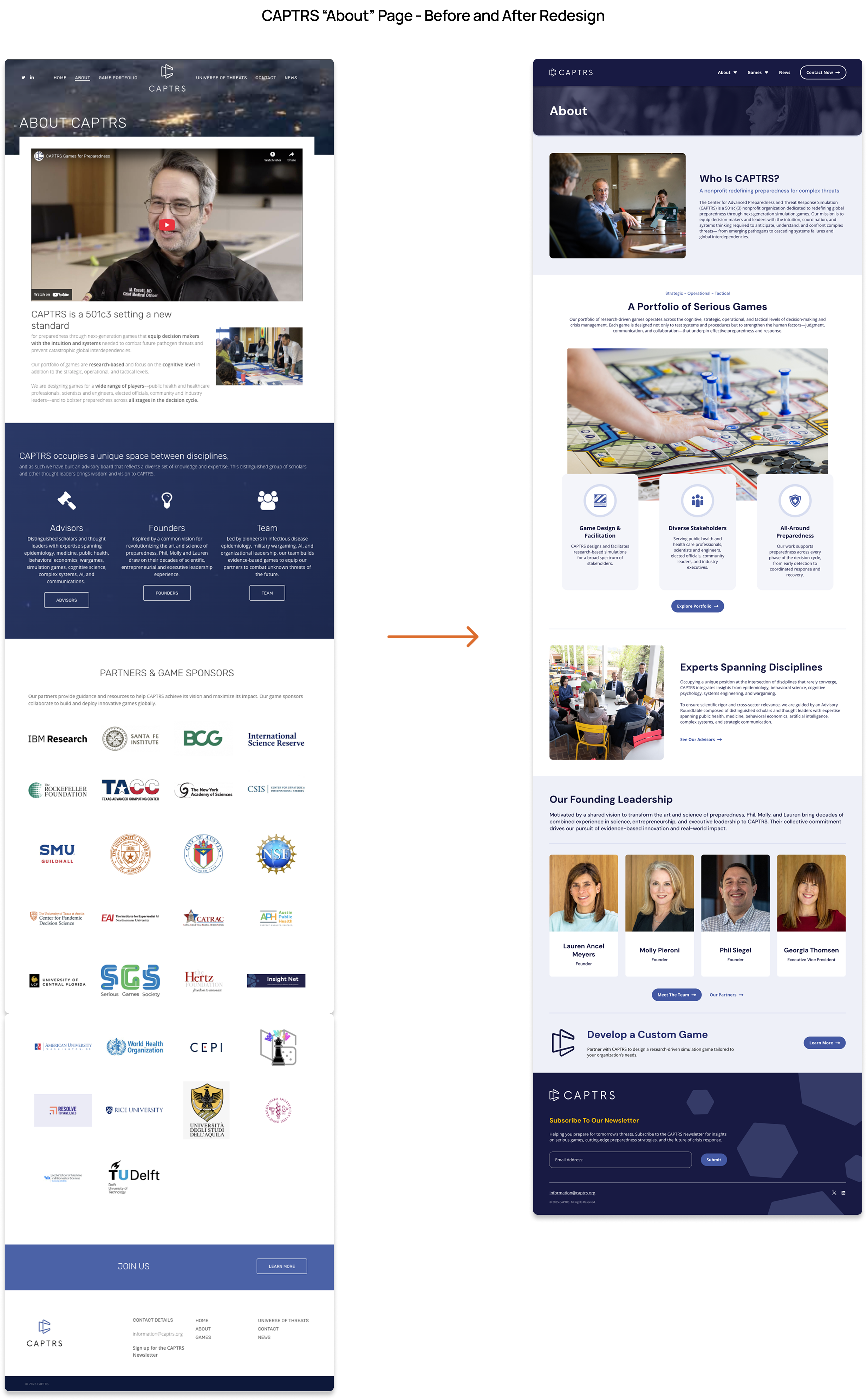
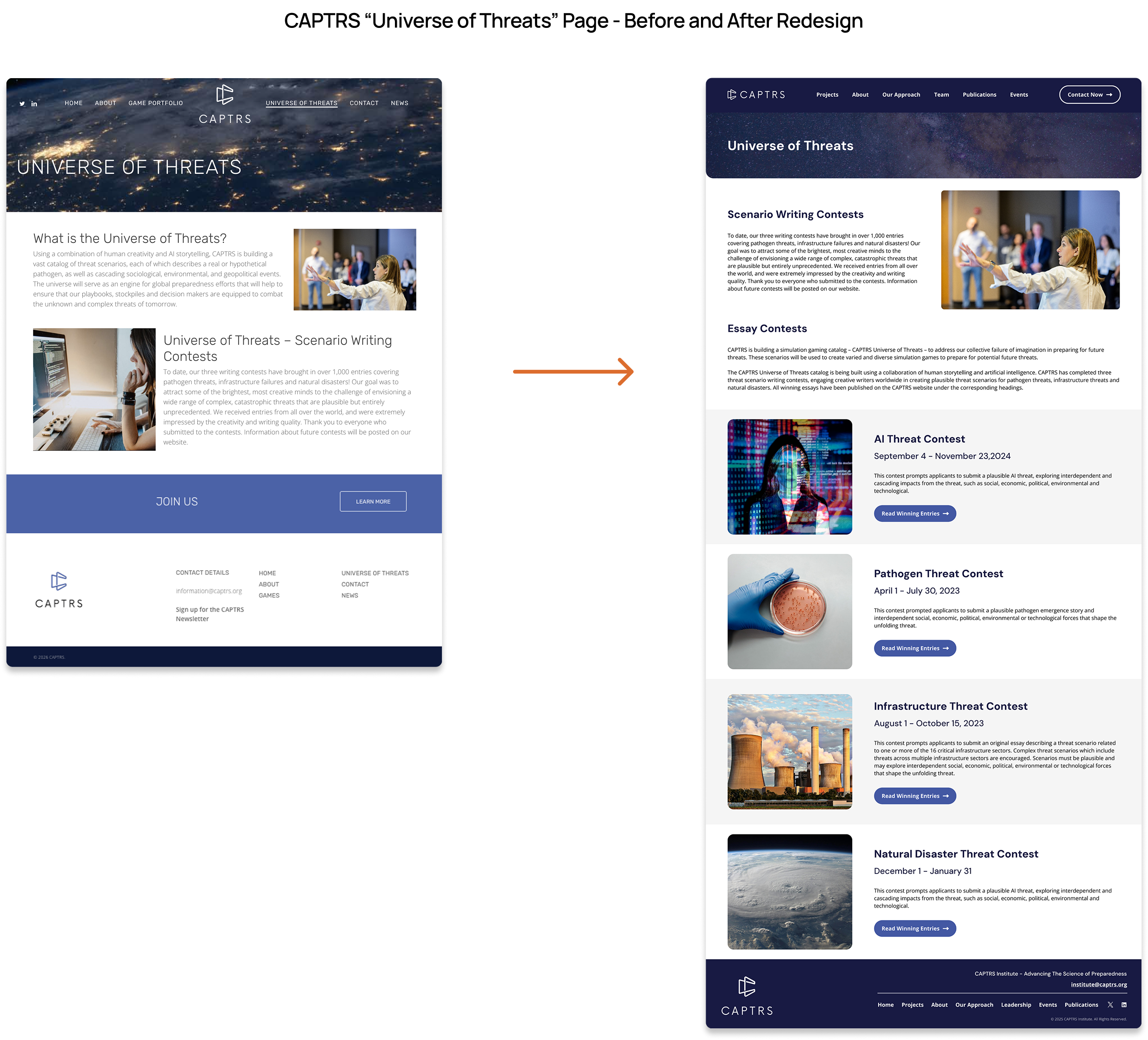
* Due to the proprietary nature of Caterpillar’s internal initiatives, some visuals shown throughout this case study represent adjacent product work and design systems used during my internship rather than the Electrification simulation project itself.

ROLE

I contributed to multiple Cat Digital products while working closely with designers, developers, researchers, and my mentor to support production-ready enterprise experiences.

In addition to my work on VisionLink, I was selected to independently lead the research, UX design, prototyping, and presentation of a large electrification simulation concept for Caterpillar’s Electrification team.

• Designed SaaS workflows and high-fidelity mockups for enterprise fleet management tools

• Conducted competitive analysis and UX research to understand unfamiliar industry workflows and terminology

• Leveraged Caterpillar’s enterprise design system to ensure scalability and brand cohesion

• Designed and prototyped a gamified electric equipment simulation tool, modeling energy usage and fleet workflows across a workday

• Presented iterative concepts and design rationale to stakeholders and internal teams

Problem statement

The electrification simulation project introduced a new level of ownership and ambiguity compared to my other internship work.

• Tasked with independently designing an entirely new product concept with minimal precedent or established UX patterns

• Needed to balance responsibilities across both the VisionLink team and Electrification initiative simultaneously

• Worked within a highly technical domain involving fleet management, battery systems, and operational forecasting

• Early iterations lacked clarity, with confusing navigation, weak data visualization, and no cohesive UX direction

• Struggled initially with understanding not just what the product should do, but why users would need it in the first place

This project forced me to confront one of the biggest challenges I had faced as a designer at that point: navigating ambiguity without losing momentum.

GOAL

To move the project forward, I shifted my focus away from features and toward understanding the deeper user problems the prototype needed to solve.

• Conducted competitive analysis and workflow research on similar simulation and fleet management tools

• Studied Caterpillar’s design systems and existing products to ensure consistency and usability

• Created dozens of sketches, flow diagrams, and layout explorations to test interaction models and navigation structures

• Collaborated closely with my mentor to reevaluate the project through a user-centered lens, focusing on workflows, priorities, and decision-making needs

• Reframed the prototype around user goals and operational clarity, rather than feature complexity

• Reworked navigation, interaction flows, and data visualizations to better support fleet management decision-making

• Elevated the final prototype with animations, transitions, and gamified interaction patterns to create a polished, engaging experience

Once the project became grounded in user intent and workflow clarity, the entire experience transformed. What had previously felt directionless quickly evolved into a cohesive, production-ready concept that stakeholders strongly responded to.

Target Audience
DESIGN PROCESS

This project fundamentally changed the way I approach UX design.

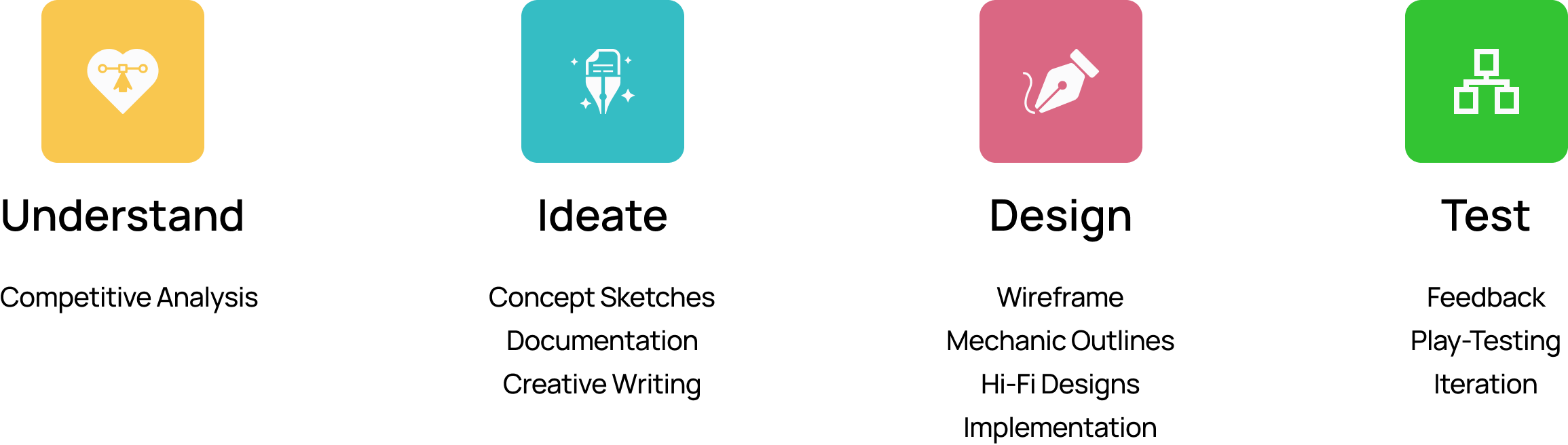
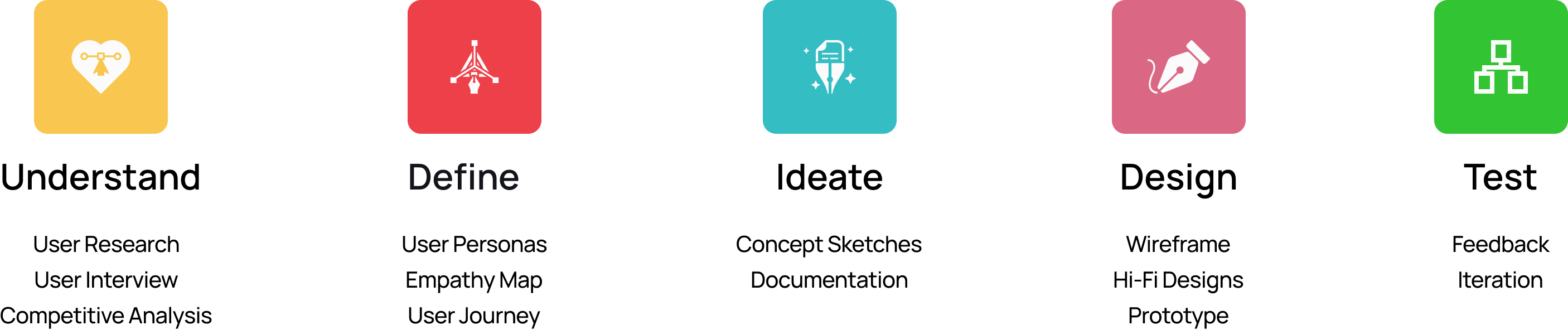
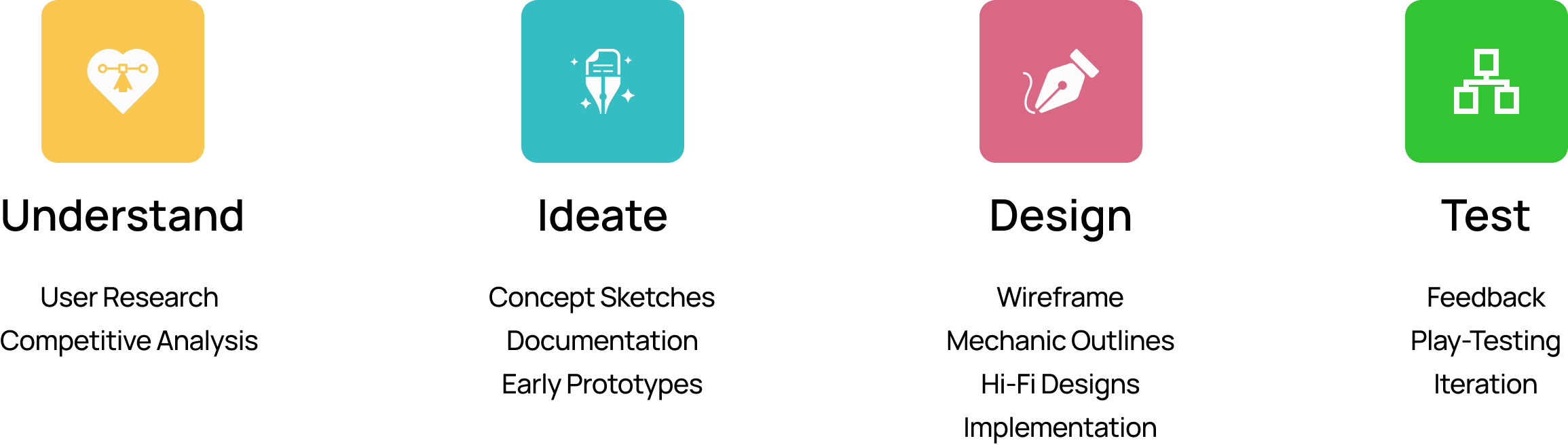
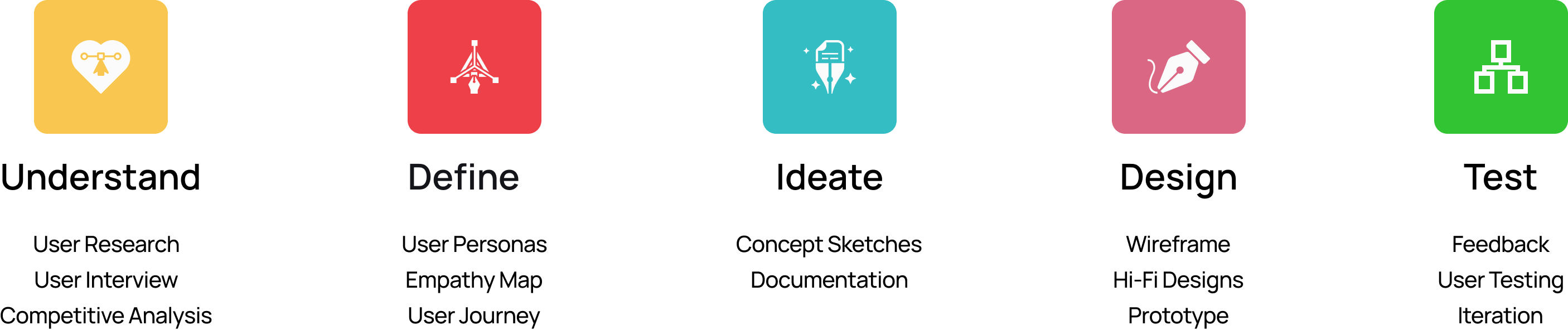
• Began with deep research and documentation, learning industry terminology, workflows, and operational goals

• Used iterative sketching and wireframing to rapidly explore concepts before committing to high-fidelity solutions

• Worked through multiple rounds of critique and feedback with mentors, designers, and stakeholders

• Learned to use user motivation as the foundation for decision-making, rather than designing around isolated features

• Balanced enterprise UX standards, scalability, and usability within a highly technical problem space

This process reinforced the importance of understanding the “why” behind a product before attempting to define the “what.”

Early Design
Iteration

Midway through the project, I realized the prototype was not succeeding in the way I wanted it to. While I had built substantial flows and layouts, the experience still felt unclear and fragmented. Rather than continuing to iterate blindly, I stepped back and worked closely with my mentor to reevaluate the project from the ground up.

Together, we reviewed:

• the research

• the workflows

• the prototype structure

• stakeholder expectations

• and, most importantly, the user’s actual goals

That conversation completely reframed the project for me. I realized I had been focused too heavily on building features and visualizing data without fully understanding what decisions users were actually trying to make throughout their day.


With that new perspective, I returned to stakeholders with a completely different set of questions focused on:

• user priorities

• workflow context

• operational decision-making

• and the meaning behind the data itself

Within a week, the project transformed:

• navigation became clearer

• flows became streamlined

• data visualization improved dramatically

• and the prototype finally developed a strong, cohesive direction

The Electrification team was shocked by how much the project evolved in such a short period of time, validating the impact of grounding the design in genuine user-centered thinking.

Concept vs final
High Fidelity Mockups

With the prototype direction established, I focused on refining the experience into a polished, production-ready solution using Caterpillar’s design system and component libraries. The final designs prioritized clarity, usability, and cohesive data visualization across complex workflows.

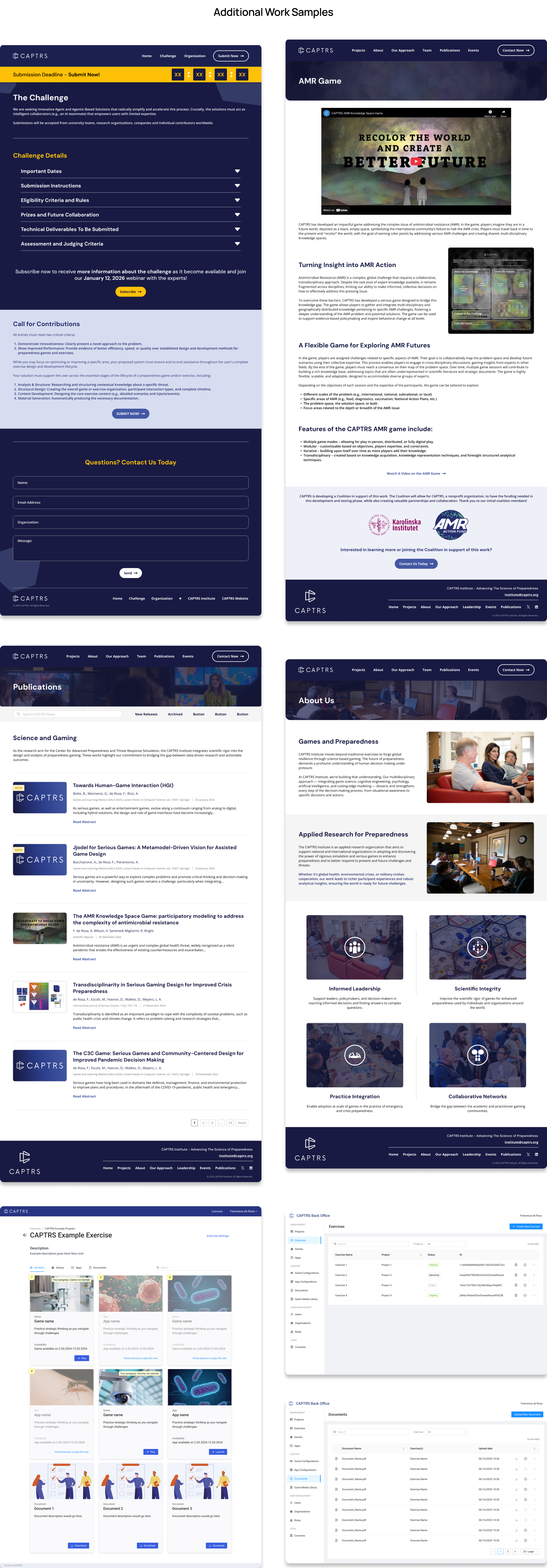
Alongside this project, I also contributed to a variety of other Cat Digital initiatives throughout my internship. The mockups below showcase a broader range of that work, including concepts, research studies, and high-fidelity designs created across VisionLink® and other CAT Digital products.

IMPACT

The electrification simulation prototype became one of the defining projects of my internship experience.

• Delivered a high-fidelity, production-ready prototype for future internal development

• Demonstrated the ability to independently manage a large-scale UX initiative within an enterprise environment

• Received strong positive feedback from stakeholders for the project’s clarity, polish, and usability improvements

• Strengthened cross-team collaboration between VisionLink and Electrification initiatives

• Contributed to my continued growth within Caterpillar, ultimately leading to the opportunity to remain with the company throughout my senior year

Beyond the prototype itself, this experience significantly shaped my approach to UX problem solving, systems thinking, and enterprise-scale design collaboration.

key Takeaways

My time at Caterpillar fundamentally changed the way I think about UX design. This experience taught me that strong UX is not just about building functional interfaces or visually polished screens, it’s about deeply understanding the people, workflows, and decisions behind the product itself.

The electrification project especially reinforced the importance of understanding the “why” before the “what.” Once I shifted my focus toward user intent and operational goals, the entire design process became clearer and more purposeful.

Beyond UX skills, Caterpillar also strengthened my:

• collaboration

• systems thinking

• enterprise design practices

• communication

• and confidence operating within large-scale product environments

It was an experience that pushed me tremendously as both a designer and a professional, and one I remain incredibly grateful for.

Caterpillar Inc.

UX Design intern for Cat® Digital, focusing on Electrification and Equipment Management applications. Working closely on products like VisionLink® to improve their design, research, prototypes, and brand cohesion.
Project
SaaS (Web, Mobile, PC)
role(s)
UX Designer
 / 
UX Researcher
 / 
Client
Caterpillar Inc.
Timeline
May 2024 - May 2025
Check Out My Figma
Project Overview

• Worked as a UX Design Intern for 12 months at Cat® Digital across VisionLink and Electrification initiatives

• Contributed to enterprise SaaS experiences across web, desktop, and mobile platforms

• Collaborated with designers, developers, and researchers in a large-scale corporate UX environment

• Alongside day-to-day product work, led an internship-spanning UX prototype initiative focused on electric equipment simulation workflows

While my internship involved a wide variety of UX tasks and product contributions, one project became the defining experience of my time at Caterpillar: designing a large-scale electrification workflow simulation prototype from the ground up. This project challenged me to think beyond screens and features, teaching me how deeply user goals, systems thinking, and clarity of purpose shape successful enterprise UX.

* Due to the proprietary nature of Caterpillar’s internal initiatives, some visuals shown throughout this case study represent adjacent product work and design systems used during my internship rather than the Electrification simulation project itself.

ROLE

I contributed to multiple Cat Digital products while working closely with designers, developers, researchers, and my mentor to support production-ready enterprise experiences.

In addition to my work on VisionLink, I was selected to independently lead the research, UX design, prototyping, and presentation of a large electrification simulation concept for Caterpillar’s Electrification team.

• Designed SaaS workflows and high-fidelity mockups for enterprise fleet management tools

• Conducted competitive analysis and UX research to understand unfamiliar industry workflows and terminology

• Leveraged Caterpillar’s enterprise design system to ensure scalability and brand cohesion

• Designed and prototyped a gamified electric equipment simulation tool, modeling energy usage and fleet workflows across a workday

• Presented iterative concepts and design rationale to stakeholders and internal teams

Problem statement

The electrification simulation project introduced a new level of ownership and ambiguity compared to my other internship work.

• Tasked with independently designing an entirely new product concept with minimal precedent or established UX patterns

• Needed to balance responsibilities across both the VisionLink team and Electrification initiative simultaneously

• Worked within a highly technical domain involving fleet management, battery systems, and operational forecasting

• Early iterations lacked clarity, with confusing navigation, weak data visualization, and no cohesive UX direction

• Struggled initially with understanding not just what the product should do, but why users would need it in the first place

This project forced me to confront one of the biggest challenges I had faced as a designer at that point: navigating ambiguity without losing momentum.

GOAL

To move the project forward, I shifted my focus away from features and toward understanding the deeper user problems the prototype needed to solve.

• Conducted competitive analysis and workflow research on similar simulation and fleet management tools

• Studied Caterpillar’s design systems and existing products to ensure consistency and usability

• Created dozens of sketches, flow diagrams, and layout explorations to test interaction models and navigation structures

• Collaborated closely with my mentor to reevaluate the project through a user-centered lens, focusing on workflows, priorities, and decision-making needs

• Reframed the prototype around user goals and operational clarity, rather than feature complexity

• Reworked navigation, interaction flows, and data visualizations to better support fleet management decision-making

• Elevated the final prototype with animations, transitions, and gamified interaction patterns to create a polished, engaging experience

Once the project became grounded in user intent and workflow clarity, the entire experience transformed. What had previously felt directionless quickly evolved into a cohesive, production-ready concept that stakeholders strongly responded to.

Target Audience
DESIGN PROCESS

This project fundamentally changed the way I approach UX design.

• Began with deep research and documentation, learning industry terminology, workflows, and operational goals

• Used iterative sketching and wireframing to rapidly explore concepts before committing to high-fidelity solutions

• Worked through multiple rounds of critique and feedback with mentors, designers, and stakeholders

• Learned to use user motivation as the foundation for decision-making, rather than designing around isolated features

• Balanced enterprise UX standards, scalability, and usability within a highly technical problem space

This process reinforced the importance of understanding the “why” behind a product before attempting to define the “what.”

User Research
Early Design
Iteration

Midway through the project, I realized the prototype was not succeeding in the way I wanted it to. While I had built substantial flows and layouts, the experience still felt unclear and fragmented. Rather than continuing to iterate blindly, I stepped back and worked closely with my mentor to reevaluate the project from the ground up.

Together, we reviewed:

• the research

• the workflows

• the prototype structure

• stakeholder expectations

• and, most importantly, the user’s actual goals

That conversation completely reframed the project for me. I realized I had been focused too heavily on building features and visualizing data without fully understanding what decisions users were actually trying to make throughout their day.


With that new perspective, I returned to stakeholders with a completely different set of questions focused on:

• user priorities

• workflow context

• operational decision-making

• and the meaning behind the data itself

Within a week, the project transformed:

• navigation became clearer

• flows became streamlined

• data visualization improved dramatically

• and the prototype finally developed a strong, cohesive direction

The Electrification team was shocked by how much the project evolved in such a short period of time, validating the impact of grounding the design in genuine user-centered thinking.

Concept vs final
High Fidelity Mockups

With the prototype direction established, I focused on refining the experience into a polished, production-ready solution using Caterpillar’s design system and component libraries. The final designs prioritized clarity, usability, and cohesive data visualization across complex workflows.

Alongside this project, I also contributed to a variety of other Cat Digital initiatives throughout my internship. The mockups below showcase a broader range of that work, including concepts, research studies, and high-fidelity designs created across VisionLink® and other CAT Digital products.

IMPACT

The electrification simulation prototype became one of the defining projects of my internship experience.

• Delivered a high-fidelity, production-ready prototype for future internal development

• Demonstrated the ability to independently manage a large-scale UX initiative within an enterprise environment

• Received strong positive feedback from stakeholders for the project’s clarity, polish, and usability improvements

• Strengthened cross-team collaboration between VisionLink and Electrification initiatives

• Contributed to my continued growth within Caterpillar, ultimately leading to the opportunity to remain with the company throughout my senior year

Beyond the prototype itself, this experience significantly shaped my approach to UX problem solving, systems thinking, and enterprise-scale design collaboration.

key Takeaways

My time at Caterpillar fundamentally changed the way I think about UX design. This experience taught me that strong UX is not just about building functional interfaces or visually polished screens, it’s about deeply understanding the people, workflows, and decisions behind the product itself.

The electrification project especially reinforced the importance of understanding the “why” before the “what.” Once I shifted my focus toward user intent and operational goals, the entire design process became clearer and more purposeful.

Beyond UX skills, Caterpillar also strengthened my:

• collaboration

• systems thinking

• enterprise design practices

• communication

• and confidence operating within large-scale product environments

It was an experience that pushed me tremendously as both a designer and a professional, and one I remain incredibly grateful for.

Caterpillar Inc.

UX Design intern for Cat® Digital, focusing on Electrification and Equipment Management applications. Working closely on products like VisionLink® to improve their design, research, prototypes, and brand cohesion.
Project
SaaS (Web, Mobile, PC)
role(s)
UX Designer
 / 
UX Researcher
 / 
Client
Caterpillar Inc.
Timeline
May 2024 - May 2025
Play On Steam
Project Overview

• Worked as a UX Design Intern for 12 months at Cat® Digital across VisionLink and Electrification initiatives

• Contributed to enterprise SaaS experiences across web, desktop, and mobile platforms

• Collaborated with designers, developers, and researchers in a large-scale corporate UX environment

• Alongside day-to-day product work, led an internship-spanning UX prototype initiative focused on electric equipment simulation workflows

While my internship involved a wide variety of UX tasks and product contributions, one project became the defining experience of my time at Caterpillar: designing a large-scale electrification workflow simulation prototype from the ground up. This project challenged me to think beyond screens and features, teaching me how deeply user goals, systems thinking, and clarity of purpose shape successful enterprise UX.

* Due to the proprietary nature of Caterpillar’s internal initiatives, some visuals shown throughout this case study represent adjacent product work and design systems used during my internship rather than the Electrification simulation project itself.

ROLE

I contributed to multiple Cat Digital products while working closely with designers, developers, researchers, and my mentor to support production-ready enterprise experiences.

In addition to my work on VisionLink, I was selected to independently lead the research, UX design, prototyping, and presentation of a large electrification simulation concept for Caterpillar’s Electrification team.

• Designed SaaS workflows and high-fidelity mockups for enterprise fleet management tools

• Conducted competitive analysis and UX research to understand unfamiliar industry workflows and terminology

• Leveraged Caterpillar’s enterprise design system to ensure scalability and brand cohesion

• Designed and prototyped a gamified electric equipment simulation tool, modeling energy usage and fleet workflows across a workday

• Presented iterative concepts and design rationale to stakeholders and internal teams

Problem statement

The electrification simulation project introduced a new level of ownership and ambiguity compared to my other internship work.

• Tasked with independently designing an entirely new product concept with minimal precedent or established UX patterns

• Needed to balance responsibilities across both the VisionLink team and Electrification initiative simultaneously

• Worked within a highly technical domain involving fleet management, battery systems, and operational forecasting

• Early iterations lacked clarity, with confusing navigation, weak data visualization, and no cohesive UX direction

• Struggled initially with understanding not just what the product should do, but why users would need it in the first place

This project forced me to confront one of the biggest challenges I had faced as a designer at that point: navigating ambiguity without losing momentum.

GOAL

To move the project forward, I shifted my focus away from features and toward understanding the deeper user problems the prototype needed to solve.

• Conducted competitive analysis and workflow research on similar simulation and fleet management tools

• Studied Caterpillar’s design systems and existing products to ensure consistency and usability

• Created dozens of sketches, flow diagrams, and layout explorations to test interaction models and navigation structures

• Collaborated closely with my mentor to reevaluate the project through a user-centered lens, focusing on workflows, priorities, and decision-making needs

• Reframed the prototype around user goals and operational clarity, rather than feature complexity

• Reworked navigation, interaction flows, and data visualizations to better support fleet management decision-making

• Elevated the final prototype with animations, transitions, and gamified interaction patterns to create a polished, engaging experience

Once the project became grounded in user intent and workflow clarity, the entire experience transformed. What had previously felt directionless quickly evolved into a cohesive, production-ready concept that stakeholders strongly responded to.

Target Audience
DESIGN PROCESS

This project fundamentally changed the way I approach UX design.

• Began with deep research and documentation, learning industry terminology, workflows, and operational goals

• Used iterative sketching and wireframing to rapidly explore concepts before committing to high-fidelity solutions

• Worked through multiple rounds of critique and feedback with mentors, designers, and stakeholders

• Learned to use user motivation as the foundation for decision-making, rather than designing around isolated features

• Balanced enterprise UX standards, scalability, and usability within a highly technical problem space

This process reinforced the importance of understanding the “why” behind a product before attempting to define the “what.”

Early Design
Iteration

Midway through the project, I realized the prototype was not succeeding in the way I wanted it to. While I had built substantial flows and layouts, the experience still felt unclear and fragmented. Rather than continuing to iterate blindly, I stepped back and worked closely with my mentor to reevaluate the project from the ground up.

Together, we reviewed:

• the research

• the workflows

• the prototype structure

• stakeholder expectations

• and, most importantly, the user’s actual goals

That conversation completely reframed the project for me. I realized I had been focused too heavily on building features and visualizing data without fully understanding what decisions users were actually trying to make throughout their day.


With that new perspective, I returned to stakeholders with a completely different set of questions focused on:

• user priorities

• workflow context

• operational decision-making

• and the meaning behind the data itself

Within a week, the project transformed:

• navigation became clearer

• flows became streamlined

• data visualization improved dramatically

• and the prototype finally developed a strong, cohesive direction

The Electrification team was shocked by how much the project evolved in such a short period of time, validating the impact of grounding the design in genuine user-centered thinking.

Concept vs final
High Fidelity Mockups

With the prototype direction established, I focused on refining the experience into a polished, production-ready solution using Caterpillar’s design system and component libraries. The final designs prioritized clarity, usability, and cohesive data visualization across complex workflows.

Alongside this project, I also contributed to a variety of other Cat Digital initiatives throughout my internship. The mockups below showcase a broader range of that work, including concepts, research studies, and high-fidelity designs created across VisionLink® and other CAT Digital products.

IMPACT

The electrification simulation prototype became one of the defining projects of my internship experience.

• Delivered a high-fidelity, production-ready prototype for future internal development

• Demonstrated the ability to independently manage a large-scale UX initiative within an enterprise environment

• Received strong positive feedback from stakeholders for the project’s clarity, polish, and usability improvements

• Strengthened cross-team collaboration between VisionLink and Electrification initiatives

• Contributed to my continued growth within Caterpillar, ultimately leading to the opportunity to remain with the company throughout my senior year

Beyond the prototype itself, this experience significantly shaped my approach to UX problem solving, systems thinking, and enterprise-scale design collaboration.

key Takeaways

My time at Caterpillar fundamentally changed the way I think about UX design. This experience taught me that strong UX is not just about building functional interfaces or visually polished screens, it’s about deeply understanding the people, workflows, and decisions behind the product itself.

The electrification project especially reinforced the importance of understanding the “why” before the “what.” Once I shifted my focus toward user intent and operational goals, the entire design process became clearer and more purposeful.

Beyond UX skills, Caterpillar also strengthened my:

• collaboration

• systems thinking

• enterprise design practices

• communication

• and confidence operating within large-scale product environments

It was an experience that pushed me tremendously as both a designer and a professional, and one I remain incredibly grateful for.

Caterpillar Inc.

UX Design intern for Cat® Digital, focusing on Electrification and Equipment Management applications. Working closely on products like VisionLink® to improve their design, research, prototypes, and brand cohesion.
Project
SaaS (Web, Mobile, PC)
role(s)
UX Designer
 / 
UX Researcher
 / 
Client
Caterpillar Inc.
Timeline
May 2024 - May 2025
Project Overview

• Worked as a UX Design Intern for 12 months at Cat® Digital across VisionLink and Electrification initiatives

• Contributed to enterprise SaaS experiences across web, desktop, and mobile platforms

• Collaborated with designers, developers, and researchers in a large-scale corporate UX environment

• Alongside day-to-day product work, led an internship-spanning UX prototype initiative focused on electric equipment simulation workflows

While my internship involved a wide variety of UX tasks and product contributions, one project became the defining experience of my time at Caterpillar: designing a large-scale electrification workflow simulation prototype from the ground up. This project challenged me to think beyond screens and features, teaching me how deeply user goals, systems thinking, and clarity of purpose shape successful enterprise UX.

* Due to the proprietary nature of Caterpillar’s internal initiatives, some visuals shown throughout this case study represent adjacent product work and design systems used during my internship rather than the Electrification simulation project itself.

ROLE

I contributed to multiple Cat Digital products while working closely with designers, developers, researchers, and my mentor to support production-ready enterprise experiences.

In addition to my work on VisionLink, I was selected to independently lead the research, UX design, prototyping, and presentation of a large electrification simulation concept for Caterpillar’s Electrification team.

• Designed SaaS workflows and high-fidelity mockups for enterprise fleet management tools

• Conducted competitive analysis and UX research to understand unfamiliar industry workflows and terminology

• Leveraged Caterpillar’s enterprise design system to ensure scalability and brand cohesion

• Designed and prototyped a gamified electric equipment simulation tool, modeling energy usage and fleet workflows across a workday

• Presented iterative concepts and design rationale to stakeholders and internal teams

Challenges

The electrification simulation project introduced a new level of ownership and ambiguity compared to my other internship work.

• Tasked with independently designing an entirely new product concept with minimal precedent or established UX patterns

• Needed to balance responsibilities across both the VisionLink team and Electrification initiative simultaneously

• Worked within a highly technical domain involving fleet management, battery systems, and operational forecasting

• Early iterations lacked clarity, with confusing navigation, weak data visualization, and no cohesive UX direction

• Struggled initially with understanding not just what the product should do, but why users would need it in the first place

This project forced me to confront one of the biggest challenges I had faced as a designer at that point: navigating ambiguity without losing momentum.

Solutions

To move the project forward, I shifted my focus away from features and toward understanding the deeper user problems the prototype needed to solve.

• Conducted competitive analysis and workflow research on similar simulation and fleet management tools

• Studied Caterpillar’s design systems and existing products to ensure consistency and usability

• Created dozens of sketches, flow diagrams, and layout explorations to test interaction models and navigation structures

• Collaborated closely with my mentor to reevaluate the project through a user-centered lens, focusing on workflows, priorities, and decision-making needs

• Reframed the prototype around user goals and operational clarity, rather than feature complexity

• Reworked navigation, interaction flows, and data visualizations to better support fleet management decision-making

• Elevated the final prototype with animations, transitions, and gamified interaction patterns to create a polished, engaging experience

Once the project became grounded in user intent and workflow clarity, the entire experience transformed. What had previously felt directionless quickly evolved into a cohesive, production-ready concept that stakeholders strongly responded to.

DESIGN PROCESS

This project fundamentally changed the way I approach UX design.

• Began with deep research and documentation, learning industry terminology, workflows, and operational goals

• Used iterative sketching and wireframing to rapidly explore concepts before committing to high-fidelity solutions

• Worked through multiple rounds of critique and feedback with mentors, designers, and stakeholders

• Learned to use user motivation as the foundation for decision-making, rather than designing around isolated features

• Balanced enterprise UX standards, scalability, and usability within a highly technical problem space

This process reinforced the importance of understanding the “why” behind a product before attempting to define the “what.”

Iteration

Midway through the project, I realized the prototype was not succeeding in the way I wanted it to. While I had built substantial flows and layouts, the experience still felt unclear and fragmented. Rather than continuing to iterate blindly, I stepped back and worked closely with my mentor to reevaluate the project from the ground up.

Together, we reviewed:

• the research

• the workflows

• the prototype structure

• stakeholder expectations

• and, most importantly, the user’s actual goals

That conversation completely reframed the project for me. I realized I had been focused too heavily on building features and visualizing data without fully understanding what decisions users were actually trying to make throughout their day.


With that new perspective, I returned to stakeholders with a completely different set of questions focused on:

• user priorities

• workflow context

• operational decision-making

• and the meaning behind the data itself

Within a week, the project transformed:

• navigation became clearer

• flows became streamlined

• data visualization improved dramatically

• and the prototype finally developed a strong, cohesive direction

The Electrification team was shocked by how much the project evolved in such a short period of time, validating the impact of grounding the design in genuine user-centered thinking.

High Fidelity Mockups

With the prototype direction established, I focused on refining the experience into a polished, production-ready solution using Caterpillar’s design system and component libraries. The final designs prioritized clarity, usability, and cohesive data visualization across complex workflows.

Alongside this project, I also contributed to a variety of other Cat Digital initiatives throughout my internship. The mockups below showcase a broader range of that work, including concepts, research studies, and high-fidelity designs created across VisionLink® and other CAT Digital products.

IMPACT

The electrification simulation prototype became one of the defining projects of my internship experience.

• Delivered a high-fidelity, production-ready prototype for future internal development

• Demonstrated the ability to independently manage a large-scale UX initiative within an enterprise environment

• Received strong positive feedback from stakeholders for the project’s clarity, polish, and usability improvements

• Strengthened cross-team collaboration between VisionLink and Electrification initiatives

• Contributed to my continued growth within Caterpillar, ultimately leading to the opportunity to remain with the company throughout my senior year

Beyond the prototype itself, this experience significantly shaped my approach to UX problem solving, systems thinking, and enterprise-scale design collaboration.

key Takeaways

My time at Caterpillar fundamentally changed the way I think about UX design. This experience taught me that strong UX is not just about building functional interfaces or visually polished screens, it’s about deeply understanding the people, workflows, and decisions behind the product itself.

The electrification project especially reinforced the importance of understanding the “why” before the “what.” Once I shifted my focus toward user intent and operational goals, the entire design process became clearer and more purposeful.

Beyond UX skills, Caterpillar also strengthened my:

• collaboration

• systems thinking

• enterprise design practices

• communication

• and confidence operating within large-scale product environments

It was an experience that pushed me tremendously as both a designer and a professional, and one I remain incredibly grateful for.

Caterpillar Inc.

UX Design intern for Cat® Digital, focusing on Electrification and Equipment Management applications. Working closely on products like VisionLink® to improve their design, research, prototypes, and brand cohesion.
Project
SaaS (Web, Mobile, PC)
role(s)
UX Designer
 / 
UX Researcher
 / 
Client
Caterpillar Inc.
Timeline
May 2024 - May 2025
Project Overview

• Worked as a UX Design Intern for 12 months at Cat® Digital across VisionLink and Electrification initiatives

• Contributed to enterprise SaaS experiences across web, desktop, and mobile platforms

• Collaborated with designers, developers, and researchers in a large-scale corporate UX environment

• Alongside day-to-day product work, led an internship-spanning UX prototype initiative focused on electric equipment simulation workflows

While my internship involved a wide variety of UX tasks and product contributions, one project became the defining experience of my time at Caterpillar: designing a large-scale electrification workflow simulation prototype from the ground up. This project challenged me to think beyond screens and features, teaching me how deeply user goals, systems thinking, and clarity of purpose shape successful enterprise UX.

* Due to the proprietary nature of Caterpillar’s internal initiatives, some visuals shown throughout this case study represent adjacent product work and design systems used during my internship rather than the Electrification simulation project itself.

ROLE

I contributed to multiple Cat Digital products while working closely with designers, developers, researchers, and my mentor to support production-ready enterprise experiences.

In addition to my work on VisionLink, I was selected to independently lead the research, UX design, prototyping, and presentation of a large electrification simulation concept for Caterpillar’s Electrification team.

• Designed SaaS workflows and high-fidelity mockups for enterprise fleet management tools

• Conducted competitive analysis and UX research to understand unfamiliar industry workflows and terminology

• Leveraged Caterpillar’s enterprise design system to ensure scalability and brand cohesion

• Designed and prototyped a gamified electric equipment simulation tool, modeling energy usage and fleet workflows across a workday

• Presented iterative concepts and design rationale to stakeholders and internal teams

Challenges

The electrification simulation project introduced a new level of ownership and ambiguity compared to my other internship work.

• Tasked with independently designing an entirely new product concept with minimal precedent or established UX patterns

• Needed to balance responsibilities across both the VisionLink team and Electrification initiative simultaneously

• Worked within a highly technical domain involving fleet management, battery systems, and operational forecasting

• Early iterations lacked clarity, with confusing navigation, weak data visualization, and no cohesive UX direction

• Struggled initially with understanding not just what the product should do, but why users would need it in the first place

This project forced me to confront one of the biggest challenges I had faced as a designer at that point: navigating ambiguity without losing momentum.

Solutions

To move the project forward, I shifted my focus away from features and toward understanding the deeper user problems the prototype needed to solve.

• Conducted competitive analysis and workflow research on similar simulation and fleet management tools

• Studied Caterpillar’s design systems and existing products to ensure consistency and usability

• Created dozens of sketches, flow diagrams, and layout explorations to test interaction models and navigation structures

• Collaborated closely with my mentor to reevaluate the project through a user-centered lens, focusing on workflows, priorities, and decision-making needs

• Reframed the prototype around user goals and operational clarity, rather than feature complexity

• Reworked navigation, interaction flows, and data visualizations to better support fleet management decision-making

• Elevated the final prototype with animations, transitions, and gamified interaction patterns to create a polished, engaging experience

Once the project became grounded in user intent and workflow clarity, the entire experience transformed. What had previously felt directionless quickly evolved into a cohesive, production-ready concept that stakeholders strongly responded to.

DESIGN PROCESS

This project fundamentally changed the way I approach UX design.

• Began with deep research and documentation, learning industry terminology, workflows, and operational goals

• Used iterative sketching and wireframing to rapidly explore concepts before committing to high-fidelity solutions

• Worked through multiple rounds of critique and feedback with mentors, designers, and stakeholders

• Learned to use user motivation as the foundation for decision-making, rather than designing around isolated features

• Balanced enterprise UX standards, scalability, and usability within a highly technical problem space

This process reinforced the importance of understanding the “why” behind a product before attempting to define the “what.”

USER RESEARCH
Early Design
Iteration

Midway through the project, I realized the prototype was not succeeding in the way I wanted it to. While I had built substantial flows and layouts, the experience still felt unclear and fragmented. Rather than continuing to iterate blindly, I stepped back and worked closely with my mentor to reevaluate the project from the ground up.

Together, we reviewed:

• the research

• the workflows

• the prototype structure

• stakeholder expectations

• and, most importantly, the user’s actual goals

That conversation completely reframed the project for me. I realized I had been focused too heavily on building features and visualizing data without fully understanding what decisions users were actually trying to make throughout their day.


With that new perspective, I returned to stakeholders with a completely different set of questions focused on:

• user priorities

• workflow context

• operational decision-making

• and the meaning behind the data itself

Within a week, the project transformed:

• navigation became clearer

• flows became streamlined

• data visualization improved dramatically

• and the prototype finally developed a strong, cohesive direction

The Electrification team was shocked by how much the project evolved in such a short period of time, validating the impact of grounding the design in genuine user-centered thinking.

High Fidelity Mockups

With the prototype direction established, I focused on refining the experience into a polished, production-ready solution using Caterpillar’s design system and component libraries. The final designs prioritized clarity, usability, and cohesive data visualization across complex workflows.

Alongside this project, I also contributed to a variety of other Cat Digital initiatives throughout my internship. The mockups below showcase a broader range of that work, including concepts, research studies, and high-fidelity designs created across VisionLink® and other CAT Digital products.

IMPACT

The electrification simulation prototype became one of the defining projects of my internship experience.

• Delivered a high-fidelity, production-ready prototype for future internal development

• Demonstrated the ability to independently manage a large-scale UX initiative within an enterprise environment

• Received strong positive feedback from stakeholders for the project’s clarity, polish, and usability improvements

• Strengthened cross-team collaboration between VisionLink and Electrification initiatives

• Contributed to my continued growth within Caterpillar, ultimately leading to the opportunity to remain with the company throughout my senior year

Beyond the prototype itself, this experience significantly shaped my approach to UX problem solving, systems thinking, and enterprise-scale design collaboration.

key Takeaways

My time at Caterpillar fundamentally changed the way I think about UX design. This experience taught me that strong UX is not just about building functional interfaces or visually polished screens, it’s about deeply understanding the people, workflows, and decisions behind the product itself.

The electrification project especially reinforced the importance of understanding the “why” before the “what.” Once I shifted my focus toward user intent and operational goals, the entire design process became clearer and more purposeful.

Beyond UX skills, Caterpillar also strengthened my:

• collaboration

• systems thinking

• enterprise design practices

• communication

• and confidence operating within large-scale product environments

It was an experience that pushed me tremendously as both a designer and a professional, and one I remain incredibly grateful for.

Caterpillar Inc.
UX Design intern for Cat® Digital, focusing on Electrification and Equipment Management applications. Working closely on products like VisionLink® to improve their design, research, prototypes, and brand cohesion.
Project
SaaS (Web, Mobile, PC)
role(s)
UX Designer
 / 
UX Researcher
 / 
Client
Caterpillar Inc.
Timeline
May 2024 - May 2025
Play On Steam
Project Overview

• Worked as a UX Design Intern for 12 months at Cat® Digital across VisionLink and Electrification initiatives

• Contributed to enterprise SaaS experiences across web, desktop, and mobile platforms

• Collaborated with designers, developers, and researchers in a large-scale corporate UX environment

• Alongside day-to-day product work, led an internship-spanning UX prototype initiative focused on electric equipment simulation workflows

While my internship involved a wide variety of UX tasks and product contributions, one project became the defining experience of my time at Caterpillar: designing a large-scale electrification workflow simulation prototype from the ground up. This project challenged me to think beyond screens and features, teaching me how deeply user goals, systems thinking, and clarity of purpose shape successful enterprise UX.

* Due to the proprietary nature of Caterpillar’s internal initiatives, some visuals shown throughout this case study represent adjacent product work and design systems used during my internship rather than the Electrification simulation project itself.

ROLE

I contributed to multiple Cat Digital products while working closely with designers, developers, researchers, and my mentor to support production-ready enterprise experiences.

In addition to my work on VisionLink, I was selected to independently lead the research, UX design, prototyping, and presentation of a large electrification simulation concept for Caterpillar’s Electrification team.

• Designed SaaS workflows and high-fidelity mockups for enterprise fleet management tools

• Conducted competitive analysis and UX research to understand unfamiliar industry workflows and terminology

• Leveraged Caterpillar’s enterprise design system to ensure scalability and brand cohesion

• Designed and prototyped a gamified electric equipment simulation tool, modeling energy usage and fleet workflows across a workday

• Presented iterative concepts and design rationale to stakeholders and internal teams

Challenges

The electrification simulation project introduced a new level of ownership and ambiguity compared to my other internship work.

• Tasked with independently designing an entirely new product concept with minimal precedent or established UX patterns

• Needed to balance responsibilities across both the VisionLink team and Electrification initiative simultaneously

• Worked within a highly technical domain involving fleet management, battery systems, and operational forecasting

• Early iterations lacked clarity, with confusing navigation, weak data visualization, and no cohesive UX direction

• Struggled initially with understanding not just what the product should do, but why users would need it in the first place

This project forced me to confront one of the biggest challenges I had faced as a designer at that point: navigating ambiguity without losing momentum.

Solutions

To move the project forward, I shifted my focus away from features and toward understanding the deeper user problems the prototype needed to solve.

• Conducted competitive analysis and workflow research on similar simulation and fleet management tools

• Studied Caterpillar’s design systems and existing products to ensure consistency and usability

• Created dozens of sketches, flow diagrams, and layout explorations to test interaction models and navigation structures

• Collaborated closely with my mentor to reevaluate the project through a user-centered lens, focusing on workflows, priorities, and decision-making needs

• Reframed the prototype around user goals and operational clarity, rather than feature complexity

• Reworked navigation, interaction flows, and data visualizations to better support fleet management decision-making

• Elevated the final prototype with animations, transitions, and gamified interaction patterns to create a polished, engaging experience

Once the project became grounded in user intent and workflow clarity, the entire experience transformed. What had previously felt directionless quickly evolved into a cohesive, production-ready concept that stakeholders strongly responded to.

Target Audience
DESIGN PROCESS

This project fundamentally changed the way I approach UX design.

• Began with deep research and documentation, learning industry terminology, workflows, and operational goals

• Used iterative sketching and wireframing to rapidly explore concepts before committing to high-fidelity solutions

• Worked through multiple rounds of critique and feedback with mentors, designers, and stakeholders

• Learned to use user motivation as the foundation for decision-making, rather than designing around isolated features

• Balanced enterprise UX standards, scalability, and usability within a highly technical problem space

This process reinforced the importance of understanding the “why” behind a product before attempting to define the “what.”

Early Design
Iteration

Midway through the project, I realized the prototype was not succeeding in the way I wanted it to. While I had built substantial flows and layouts, the experience still felt unclear and fragmented. Rather than continuing to iterate blindly, I stepped back and worked closely with my mentor to reevaluate the project from the ground up.

Together, we reviewed:

• the research

• the workflows

• the prototype structure

• stakeholder expectations

• and, most importantly, the user’s actual goals

That conversation completely reframed the project for me. I realized I had been focused too heavily on building features and visualizing data without fully understanding what decisions users were actually trying to make throughout their day.


With that new perspective, I returned to stakeholders with a completely different set of questions focused on:

• user priorities

• workflow context

• operational decision-making

• and the meaning behind the data itself

Within a week, the project transformed:

• navigation became clearer

• flows became streamlined

• data visualization improved dramatically

• and the prototype finally developed a strong, cohesive direction

The Electrification team was shocked by how much the project evolved in such a short period of time, validating the impact of grounding the design in genuine user-centered thinking.

Implementation
High Fidelity Mockups

With the prototype direction established, I focused on refining the experience into a polished, production-ready solution using Caterpillar’s design system and component libraries. The final designs prioritized clarity, usability, and cohesive data visualization across complex workflows.

Alongside this project, I also contributed to a variety of other Cat Digital initiatives throughout my internship. The mockups below showcase a broader range of that work, including concepts, research studies, and high-fidelity designs created across VisionLink® and other CAT Digital products.

IMPACT

The electrification simulation prototype became one of the defining projects of my internship experience.

• Delivered a high-fidelity, production-ready prototype for future internal development

• Demonstrated the ability to independently manage a large-scale UX initiative within an enterprise environment

• Received strong positive feedback from stakeholders for the project’s clarity, polish, and usability improvements

• Strengthened cross-team collaboration between VisionLink and Electrification initiatives

• Contributed to my continued growth within Caterpillar, ultimately leading to the opportunity to remain with the company throughout my senior year

Beyond the prototype itself, this experience significantly shaped my approach to UX problem solving, systems thinking, and enterprise-scale design collaboration.

key Takeaways

My time at Caterpillar fundamentally changed the way I think about UX design. This experience taught me that strong UX is not just about building functional interfaces or visually polished screens, it’s about deeply understanding the people, workflows, and decisions behind the product itself.

The electrification project especially reinforced the importance of understanding the “why” before the “what.” Once I shifted my focus toward user intent and operational goals, the entire design process became clearer and more purposeful.

Beyond UX skills, Caterpillar also strengthened my:

• collaboration

• systems thinking

• enterprise design practices

• communication

• and confidence operating within large-scale product environments

It was an experience that pushed me tremendously as both a designer and a professional, and one I remain incredibly grateful for.